
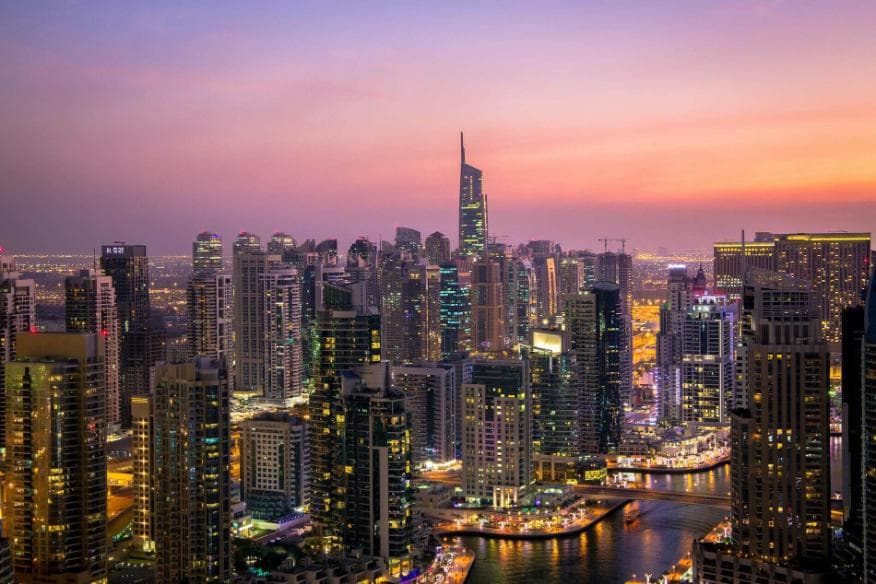
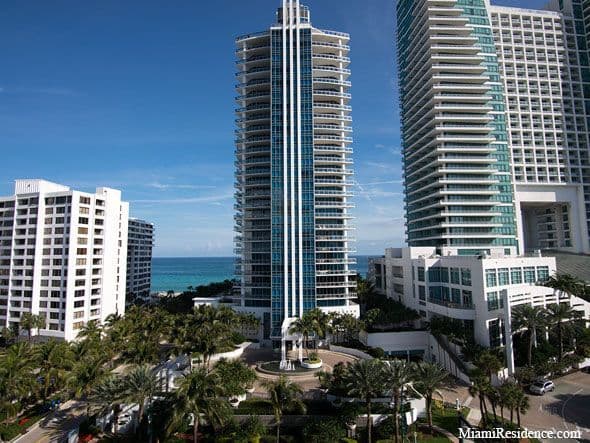
Evaluating economic growth prospects is essential when investors assess their options for purchasing property in London or Dubai.
Economic indicators such as GDP growth rates, investment climate, and government policies play a crucial role in shaping the potential returns on investment in real estate markets and understanding these factors helps investors make informed decisions, as regions with stronger economic growth tend to offer more favourable conditions for capital appreciation and rental yields.The recent budget announcements by the UK and UAE governments provide valuable insights into their economic strategies, future growth prospects and attitudes to fiscal policy.
While the UK focuses on restoring economic stability and public investment, the UAE places a strong emphasis on driving economic growth and enhancing GDP through strategic initiatives. Comparing these approaches can help investors identify which market aligns better with their investment goals and offers the potential for higher returns in the long term.
Before looking at the budget and future growth prospects, it's important to realise the two countries are very different. The United Kingdom – one of the oldest nations on Earth – has a Gross Domestic Product (GDP) of USD 2.9 trillion and is ranked as the 5th largest economy in the world.
The UAE is a much younger country and has only relatively recently established itself on the world economic stage. The UAE has the 31st biggest economy with a GDP of USD 414.2 billion. However, when assessing GDP per capita, the comparison becomes much closer with the United Kingdom and the United Arab Emirates ranked 23rd vs 22nd respectively.
Gross domestic product comparison UAE and UK
United Arab Emirates
United Kingdom
GDP
USD 414.2 billion
USD 2.9 trillion
GDP growth, 1 year
1.7%
1.4%
GDP growth, 5-year average
3%
2.1%
Population
9.4 million
66 million
GDP per capita
USD 43,000
USD 43,000
Purchasing Power Parity (PPP) conversion factor
2.1
0.7
Price level ratio of PPP conversion factor to market exchange rate
0.57
0.93
GDP per capita, PPP adjusted
USD 69,000
USD 46,000
Source: Georank.Scroll left to view full table on mobile devices.
UK and UAE Budget Announcements: Emphasis on Economic Growth and GDP
In recent weeks, both the United Kingdom and the United Arab Emirates have announced their budgets for the upcoming year. Each country has showcased distinct economic priorities and strategies, with the UK focusing on stability and public investment, while the UAE emphasises diverse economic growth and GDP enhancement through strategic policies.
UK Budget 2024: Stability and Public Investment
The UK's budget, unveiled by Chancellor Rachel Reeves, had a distinct focus on restoring economic stability and addressing pressing public service needs. The government cited a GBP 40 billion 'black hole' in the country's finances.
Key measures included increased investment in clean energy, infrastructure, and public services, but the notable takeaway for many people were the policies encompassing tax hikes on private jets, extended incentives for electric vehicles, and a windfall tax on oil and gas companies. Despite these initiatives, the budget maintains a freeze on fuel duty and avoids raising taxes on "working people".
However, some policies in the UK budget could potentially slow economic growth. For instance, the hike in employer National Insurance contributions to 15% from April 2025 is expected to increase business costs, potentially leading to smaller pay rises. Additionally, the increase in Capital Gains Tax rates for small investors could discourage investment in stocks and shares. The budget also includes a significant increase in Inheritance Tax, which may affect wealth transfer and investment decisions.
Of course, most pertinent to actual prime real estate investment was the immediate 2% hike on additional home purchases, meaning every property investment asset in the UK now comes with at least a 5% tax.
Stamp Duty Land Tax on Additional Homes
Percentage
So much as does not exceed £250,000
5%
So much as exceeds £250,000 but does not exceed £925,000
10%
So much as exceeds £925,000 but does not exceed £1.5 million
15%
The remainder (if any)
17%
Scroll left to view full table on mobile devices.
UAE Budget 2024: Economic Growth and Wealth Creation
In contrast, the UAE's 2025-2027 budget announcement places a strong emphasis on economic growth and wealth creation, with a clear focus on enhancing GDP. It is a very forward-thinking budget delivered from a position of economic strength. Indeed, it was the largest budget for the emirate to date and features an impressive projected operating surplus of 21%. Stock markets jumped 0.5% immediately after the announcement.
The budget includes measures to support economic diversification, strengthen public-private partnerships, and attract foreign investment. Specific policies are designed to boost key sectors such as tourism, technology, and renewable energy, driving sustainable economic growth.
One notable initiative is the investment in the tourism sector, aimed at increasing the number of international visitors and positioning Dubai as a global travel destination.
This is a key economic pillar of Dubai's growth and aligns with the Dubai 2040 Urban Master Plan that aims to increase the population of the emirate from 3.3 million currently to a projected 7.8 million by 2040, driving even further demand for its real estate from both tenants and owners.
Additionally, the UAE government is investing heavily in technology and innovation, fostering a business environment conducive to startups and tech companies. Policies to enhance renewable energy infrastructure also underscore the UAE's commitment to sustainable development.
UAE's Economic Growth Initiatives
Tourism sector investment: The UAE has allocated significant funds to develop its tourism infrastructure, aiming to attract more international visitors and boost the tourism sector's contribution to GDP.
Technology and innovation: The budget includes investments in technology and innovation, with a focus on creating a favourable environment for startups and tech companies.
Renewable energy projects: The UAE is investing in renewable energy projects to reduce its dependency on oil and promote sustainable development.
Foreign direct investment (FDI): The UAE has introduced policies to attract foreign direct investment, including 100% foreign ownership in certain sectors and tax reforms to enhance its global competitiveness.
Education and workforce development: The budget allocates substantial funds to public and higher education, aiming to cultivate a skilled and innovative workforce capable of driving economic growth.
Economic Environment for Future Investment UAE v UK
Financial System and Human Development
United Arab Emirates
United Kingdom
Income Tax Rate
0%
20/40/45%
Corporate Tax Rate
9%
20%
Inflation, consumer prices
3.1%
2.5%
Unemployment
2.6%
4%
Economic Freedom Index
76.2
79.3
Personal Freedom Index
5.58
9.08
Human Freedom Index
6.56
8.55
Scroll left to view full table on mobile devices.
Government Debt & Reserves
United Arab Emirates
United Kingdom
Central government debt, % of GDP
18.7%
86.9%
Gross capital formation, % of GDP
22.4%
17.3%
Total reserves including gold
USD 99.5 billion
USD 172.7 billion
Foreign direct investment net inflows
USD 10.4 billion
USD 35.1 billion
Source: Georank.Scroll left to view full table on mobile devices.
Economic Performance UK v UAE
As noted the UK has been one of the most powerful and richest countries in the world for over 150 years. However, given the UAE's strong focus on diversification and growth, it is outperforming the UK and many other traditional economic powerhouses.
Year
UK growth (%)
UAE growth (%)
2020
-10.4
3.1
2021
8.7
3.4
2022
4.3
3.6
2023
0.1
3.4
2024 (forecast)
0.5
3.5
2025 (forecast)
1.2
3.7
Source: Office for National Statistics, World Bank Group.Scroll left to view full table on mobile devices.
Diversified Sources of Wealth in the UAE
Dubai's economic resilience and growth are underpinned by a strategic diversification away from oil dependence. Years of meticulous governmental planning have successfully shifted the emirate's economic landscape, creating a robust and multifaceted structure.
While oil and gas exports remain a significant contributor, producing between 50,000 to 70,000 barrels of oil per day and accounting for approximately 30% of Dubai's GDP, the emirate has markedly diversified its sources of income. The development of other sectors such as tourism, real estate, trade, and financial services has been pivotal. These efforts have established a balanced economic framework that is less reliant on oil revenues.
Income Sources in Dubai according to DAMAC
Source
Contribution to GDP
Oil and Gas
30%
Tourism
Significant
Real estate
Major
Trade
Substantial
Financial services
Growing
Source: DAMAC Properties.Scroll left to view full table on mobile devices.
Impact of the oil boom on Dubai's development
The oil boom of 1966 played a crucial role in laying the financial foundation for Dubai's rapid development. The influx of wealth from oil exports enabled significant investments in various sectors, including infrastructure, healthcare, education, and public services. This period of prosperity facilitated the construction of a modern city with world-class amenities and set the stage for Dubai's long-term economic diversification. By leveraging the initial oil wealth, Dubai has reduced its dependency on oil, positioning itself as a diversified economic hub.
However, given the data and the current economic landscape, there is little doubt that investment returns are no longer reliant on oil economy.
Conclusion
While the UK remains a stable and established market, Dubai’s ambitious growth strategy and investor-friendly policies offer unique advantages for property buyers. Dubai’s focus on economic diversification, tourism, and technological advancement has created a dynamic environment with significant potential for capital growth and rental yields. Compared to the UK, Dubai provides more rapid opportunities for returns, driven by forward-thinking initiatives that attract global investors. For those looking to capitalise on a high-growth market, Dubai presents an unmatched opportunity in today’s real estate landscape. Get in touch with M&M Real Estate today to discuss how you can maximise your investment potential in Dubai’s thriving property market.
