Developer Partner
OMNIYAT
OMNIYAT is a Dubai developer of ultra-luxury residential and commercial buildings, founded in 2005 by Mahdi Amjad, its Executive Chairman.
2005
Founded
Dubai, UAE
Headquarters
About 3,200
Units Delivered
Overview
About OMNIYAT
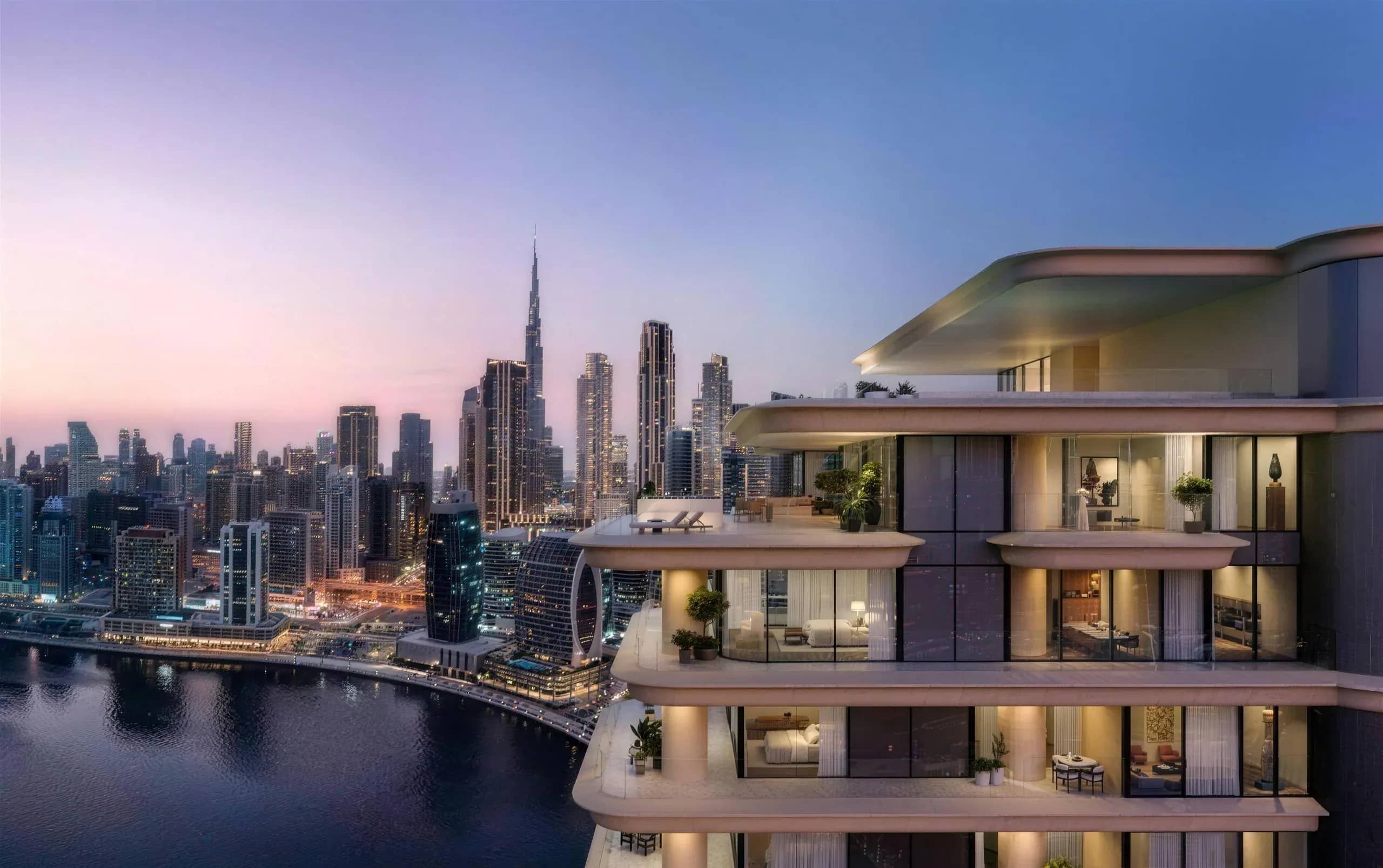
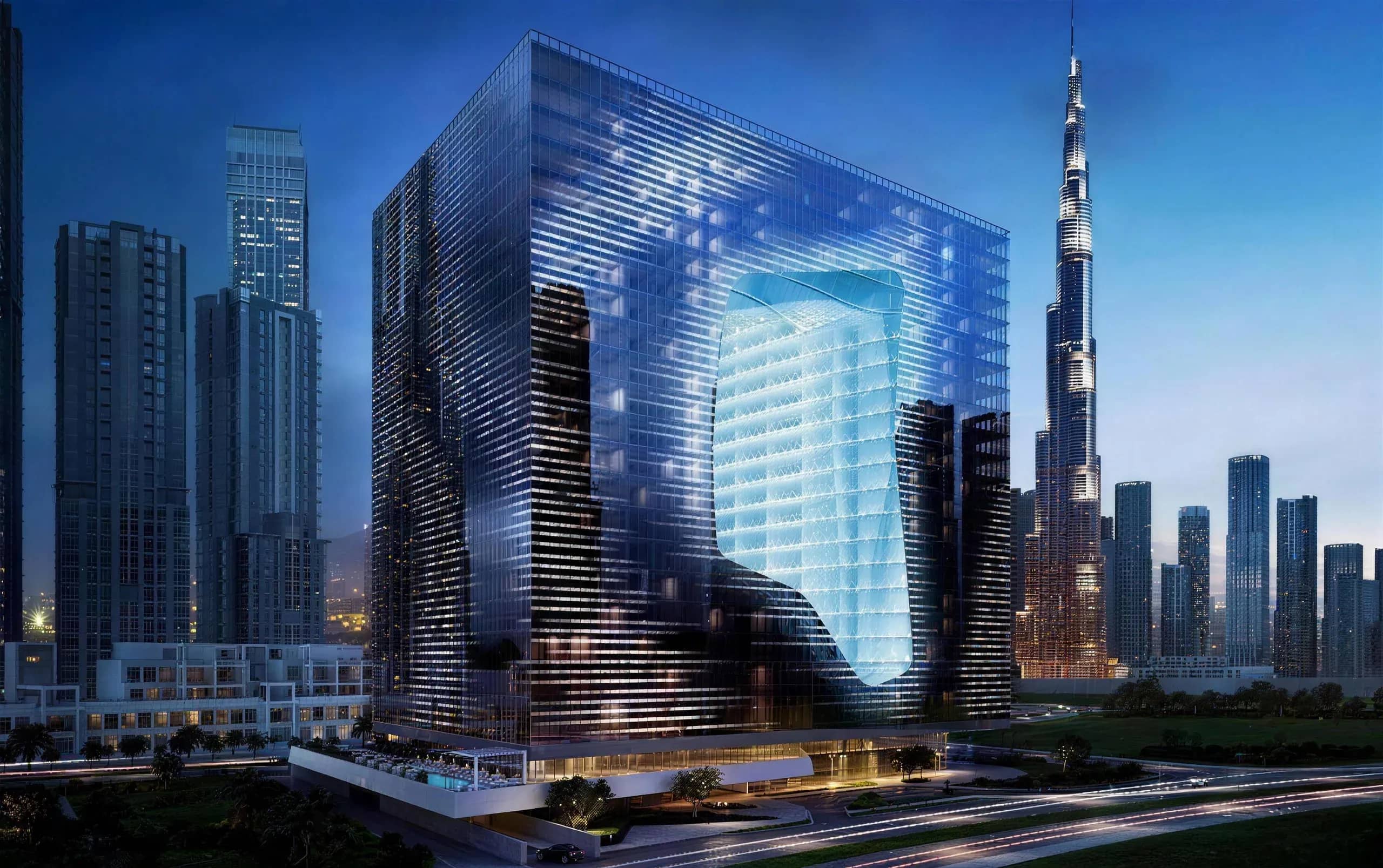
OMNIYAT is a Dubai developer of ultra-luxury residential and commercial buildings, founded in 2005 by Mahdi Amjad, its Executive Chairman. Its projects include The Opus, designed by Zaha Hadid, One at Palm Jumeirah, The Lana Residences, and the Dorchester Collection residences ORLA and VELA. S&P reported in May 2026 that OMNIYAT has delivered about 3,200 units since inception. In September 2024 the OMNIYAT Group launched Beyond, a separate brand for the wider luxury real estate market.
Track Record
Key Highlights
- The Opus by Zaha Hadid, home to M&M's Dubai office
- One at Palm Jumeirah, completed in 2021 (OMNIYAT)
- Dorchester Collection residences ORLA and VELA
- About 3,200 units delivered since inception (S&P, May 2026)
- Focus on limited-edition ultra-luxury developments
Interested in OMNIYAT?
Our advisory team can guide you through the best investment opportunities from this developer, tailored to your goals.
Free report
Is Dubai done?
18 pages on what the regional war actually tested, and why Dubai's fundamentals held.
OMNIYAT Track Record: Completed Projects, Ratings and Payment Structure
Reviewed by Juan Mejia · 14 October 2026
For readers comparing omniyat developer reviews, the record includes completed buildings such as Bayswater (2009), One by Omniyat (2011), The Binary (2015), Anwa and The Sterling (2022), and The Lana Residences (2023), according to OMNIYAT project pages reviewed on 1 October 2026. S&P reported 3,200 units delivered since inception in its rating action dated 13 May 2026. Fitch and S&P both rate the group BB-, with negative watch or outlook indicators recorded in 2026. For payment, Fitch describes a 20/30/50 deposit, construction and handover structure, while S&P reports schedules that vary by project.
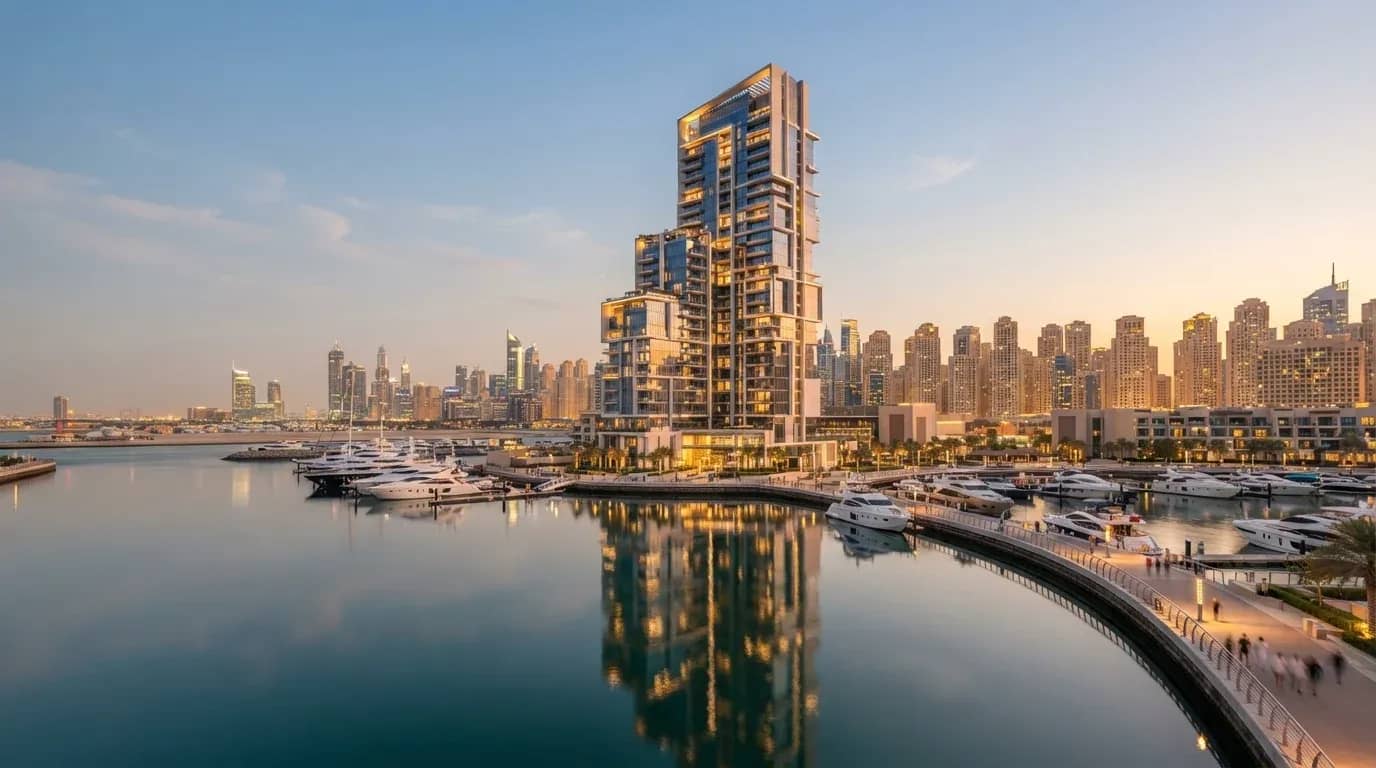
What OMNIYAT’s completed-project record shows
The completion dates above come from OMNIYAT’s project pages, which provide a project-level view of its delivery history. The list spans several years, rather than supporting a claim that every project launched by the developer has completed. S&P’s reported total of 3,200 delivered units offers a broader company-level measure, but it is not the same as a count of buildings or registrations on a Dubai Land Department (DLD) register.
A historical example illustrates why individual records deserve their own context. In December 2009, Emirates 24/7 reported that construction of The Pad had been suspended for an expected five months and buyer payments paused, with the developer citing delays to Business Bay’s master infrastructure. A later project listing records The Pad as completed in 2020. These are dated facts about one project, not a conclusion about the wider portfolio.
For another view of completion status, the DLD register can be checked by project. Its online service and Dubai REST show a project’s status, completion percentage, planned completion date, unit count and escrow account. The register may not include projects that have not yet launched.
How to read OMNIYAT’s credit ratings
Fitch assigned OMNIYAT Holdings a BB- rating with a stable outlook in its first rating action on 4 April 2025. On 18 March 2026, Fitch placed the rating on Rating Watch Negative, then maintained the watch in an action dated 10 September 2026. Separately, S&P affirmed BB- with a negative outlook in its rating action published on 13 May 2026. The ratings describe agency assessments of credit risk; they are not ratings of a particular home or a guarantee of a buyer’s outcome.
A Rating Watch Negative is a status indicating that Fitch is reviewing the rating for a possible action. It should not be read as a forecast of what will happen, or when. S&P’s negative outlook is a separate agency assessment. The two agencies use their own methodologies, so it is useful to read each report and date rather than treating the labels as interchangeable.
The issuer also has access to debt markets. In a 2026 announcement, OMNIYAT reported three Sukuk issues since 2025, with its latest issue raising USD 600 million for five years at 7.25%. The company stated in March 2026 that its pipeline was USD 11.7 billion and fully funded. These are company disclosures about financing and planned activity, distinct from the rating agencies’ opinions.
OMNIYAT’s project pages list VELA for Q4 2027, The Alba Residences for Q3 2028 and Lumena for Q4 2029. Those dates are plans, not promises. For any off-plan purchase, buyers should check the latest project information, contract terms and DLD status rather than relying on a headline completion date.
Why DLD project counts may differ
The DLD register counts projects under the legal developer entity named in each registration. In data dated 1 October 2026, entities named Omniyat had eight registered projects: four finished with 2,863 units, and four cancelled registrations holding one unit. The DLD notes that a cancelled registration can be administrative, so the unit count is more informative than treating cancellation alone as a delivery verdict.
A broader search that also includes companies with OMNIYAT contact emails, including BEYOND, returned 34 projects in the same DLD register data dated 1 October 2026. Ten were finished, with 4,166 units, and 20 were active, with 5,034 units. This broader group is not the same as the register search by the name Omniyat, nor is it directly comparable with S&P’s reported total of units delivered since inception. Check which legal entity is selling the property and which entity appears in its registration.
For a specific building, use the DLD service to review its recorded status, completion percentage, planned date, units and escrow account. Then compare the registered project and seller details with the sale and purchase agreement. Our guides to Business Bay and Palm Jumeirah add area context, while the Dubai off-plan guide explains the buying process.

OMNIYAT payment structure and an illustrative calculation
Fitch’s April 2025 report describes a 20% deposit, 30% during construction and 50% at handover. S&P’s May 2026 report gives a different range: 25% at the sale and purchase agreement, 25% to 35% during construction, and 40% to 50% at handover. The reported schedules differ, so the signed payment plan for the specific property takes precedence. Confirm the instalment dates, the receiving account and escrow details before transferring funds.
The following illustration applies Fitch’s 20/30/50 structure to a hypothetical AED 10,000,000 purchase. It uses the DLD’s 4% initial-sale registration charge and AED 20 service fee shown on its registration page, accessed on 1 October 2026. It is an example, not a quotation for a particular property.
- At booking: 20% of AED 10,000,000 = AED 2,000,000. Add DLD registration of 4% × AED 10,000,000 = AED 400,000, plus AED 20. Total at booking: AED 2,000,000 + AED 400,000 + AED 20 = AED 2,400,020.
- During construction: 30% of AED 10,000,000 = AED 3,000,000. Cash paid before keys: AED 2,400,020 + AED 3,000,000 = AED 5,400,020.
- At handover: 50% of AED 10,000,000 = AED 5,000,000, before any applicable costs not included in this illustration.
The Central Bank of the UAE’s mortgage regulations set a 60% loan-to-value limit for an investment property in the relevant category. On an AED 10,000,000 valuation, that would allow up to AED 6,000,000 in principle. It does not mean a bank will approve that amount: lending criteria, valuation and appetite at this property size determine the offer.
Why institutional is no longer optional. The developers we recommend in 2026, the criteria each clears, and what the cost-stack math means for the rest of the market.
Download free→A practical way to assess the record
Use three checks together: the agency reports for dated credit opinions, the DLD register for project-level status and escrow information, and the project’s own sale documents for payment obligations. Keep the legal developer entity in view when comparing portfolio totals, and treat announced completion dates as schedules rather than assurances. You can also review our investment-case approach to see how project, location and buyer considerations can be assessed together.
For help checking a particular OMNIYAT project, its payment plan or the relevant DLD record, contact our advisory team.