


Comparing Dubai waterfront property starts with one practical distinction: the type of water is not the same as the access a home actually offers. We compare the setting, the individual property and the routines that will shape life there.
- Separate a water view from a promenade nearby and from direct beach, marina or waterside access.
- Compare beachfront, marina, canal-front, creekside, lagoon and lake settings by their physical character and surrounding activity.
- Test the individual unit’s orientation, floor, outlook, privacy and facilities instead of relying on a community name.
- Map regular journeys to work, schools, shops and healthcare before deciding whether the location fits your household.
- Assess ready homes and off-plan property against what already operates, not only against planned amenities.
- Compare rent after service charges, vacancy, furnishing, management and maintenance. For area comparisons, use our Dubai locations guide and property resources.
Start by distinguishing the waterfront settings
When comparing Dubai waterfront property, start by separating the type of water from the access it provides. A home may look towards water, sit near a public promenade or have direct access to a beach, marina or waterside route. These are different features, so assess them separately.
| Setting | What it describes | What to assess |
|---|---|---|
| Beachfront | A relationship with the sea and shore. | Whether the home has direct beach access, and how public activity affects its immediate surroundings. |
| Marina | A waterside setting centred on berths and promenades. | Access to the promenade, activity nearby and the route between the home and the water. |
| Canal-front | A home facing an engineered waterway. | Whether the outlook includes a public route, road or barrier, and what access the waterway supports. |
| Creekside | A setting associated with a creek environment and its surrounding urban character. | The relationship between the building, nearby routes and the surrounding mix of uses. |
| Lagoon or lake | An enclosed or inland waterside environment. | The outlook and recreational access, considered separately from open sea or marina access. |
These labels describe the setting, not the rights or routes attached to an individual home. A water-facing balcony does not establish that a resident can reach the shore directly, use a marina berth or enter the water.
Use the same questions for every property: what does the home face, what lies between it and the water, and where can residents actually go? That simple comparison cuts through the noise around broad waterfront labels.
Compare different Dubai waterfront settings to see how their features may shape the property experience.
Match the setting to the way you want to live
For a beach-focused lifestyle, weigh shoreline access alongside public activity. Marina living centres on promenades and a more active waterside environment, while a quieter residential setting calls for close attention to the building and nearby uses rather than trust in a label.
For a quieter lifestyle, compare lagoon or lake communities first, then assess the exact location. An enclosed water setting can feel distinct from open sea or marina activity, but nearby roads, venues and public routes still shape daily noise and privacy.
What is the best beach property in Dubai? The best choice is the home that meets your priorities for beach access, privacy, household layout and daily convenience. Those needs differ, so a single property cannot be the right fit for every buyer.
Apartments, villas and other home types also change the experience. Compare the space and privacy each offers with its maintenance responsibilities, because two homes in the same community can serve very different households.
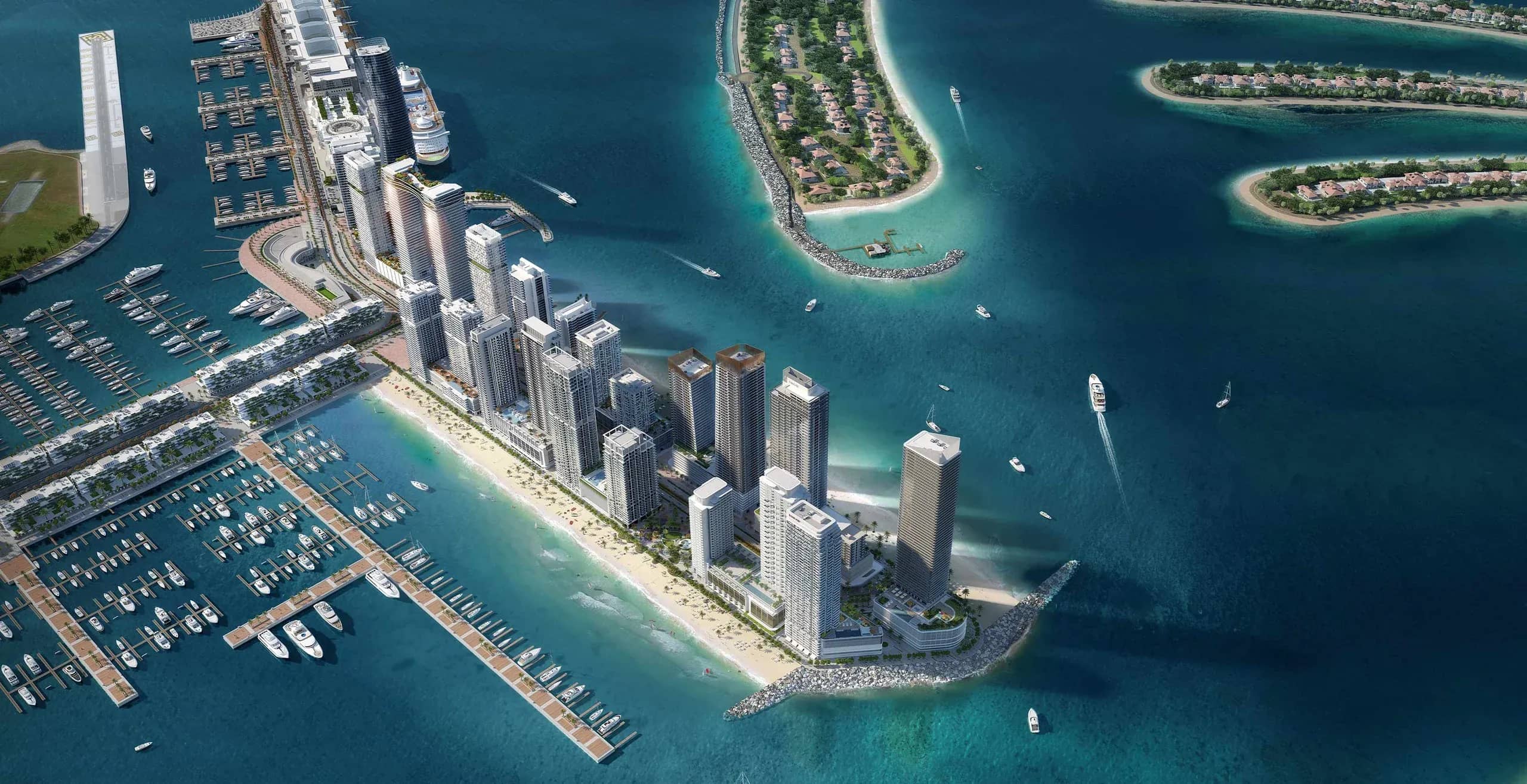
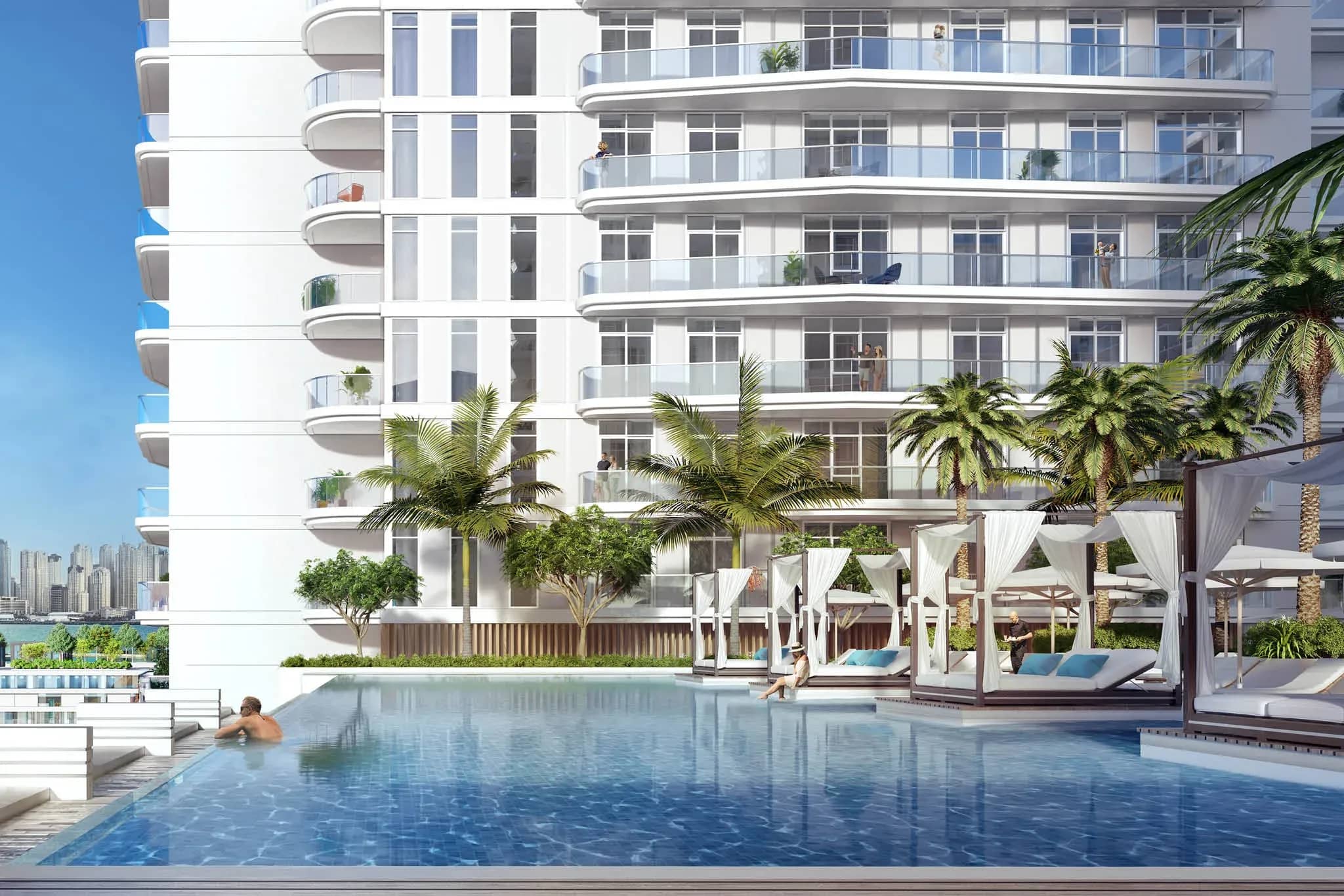
Marina Vista is a useful beachfront-access reference: the development offers one-, two-, three- and four-bedroom apartments, with private beach access and a swimming pool. Those listed features make it possible to compare the building’s access and facilities with the needs of a particular household.
When comparing a specific apartment or villa, consider how its layout supports your day. A balcony may give you a water view, while the route to the shoreline, shared facilities and quieter parts of the community may shape how often you use the setting itself.
Assess the individual unit, not just the community
The same community can offer very different waterfront experiences from one building or floor to another. We compare a unit’s orientation and floor using a site visit or reliable plans: orientation affects sunlight and glare, while floor level changes sightlines and exposure to activity below.
Trace the view from the home to the water. Note buildings or other obstructions, roads, public routes and physical barriers, since a water-facing outlook does not establish direct access.
Visit or observe the area at different times of day. Traffic, promenade activity and nearby uses can affect privacy and tenant appeal, and the character around a unit may change between a quiet weekday morning and a busier evening.
Separate facilities that operate now from facilities that remain planned. Then judge whether the existing gym, pool, access route or shared space will actually serve the household’s routine.
Twelve chapters on what the regional war tested, the balance sheet and dollar peg behind the market, and how to pick the right side of this cycle.
Download free→Test everyday access and convenience
A scenic setting can still make everyday journeys inconvenient. Compare the actual routes to work and business districts, public transport connections and road access, then map the trips your household makes regularly.
Check how practical it is to reach schools, shops, healthcare and other routine services. Consider the routes as they exist today rather than relying on proposed facilities, and compare the level of visitor activity with your household’s need for quiet, privacy and safe movement.
Judge community amenities by their proximity and access from the specific building. A facility elsewhere in a wider area may add little to daily life if reaching it requires a long walk or an awkward trip.
Developer identity is a separate part of due diligence from the building’s location and facilities. Ellington Properties is a privately held Dubai developer that works with international architects and interior designers on design-led residential buildings; our developer directory offers a wider view of developer profiles.
For each property, map the route from the entrance to the transport stop, shop or facility you expect to use. That makes it easier to compare daily convenience without letting a general area description stand in for a practical route.
Compare established communities with developing destinations
In an established community, assess the completed building, operating facilities and current connections. In a developing destination, distinguish infrastructure that already functions from works and amenities that remain planned.
Treat proposed facilities and transport improvements as future possibilities, not as part of the home’s present-day convenience. Compare a property on what residents can use now, then consider planned changes as a separate factor.
Ready homes offer a more visible picture of the building and its surroundings, while an off-plan property involves a community that may change as development progresses.
Compare apartments and villas within the actual setting, considering layout, privacy and maintenance responsibilities against the needs of the people you expect to occupy the home. Our off-plan buying guide explains the broader purchase process, while an overview of off-plan properties in Dubai can help frame a project comparison.
For a wider area view, compare the specific community with other locations and buyer priorities rather than treating a destination’s reputation as proof of future performance.
Compare investment outcomes beyond headline rent
Beachfront, marina and creekside homes can appeal to tenants with different priorities. Beach access may suit renters who value the shore, marina settings may attract people seeking promenade activity, and creekside locations may appeal to tenants who want an urban waterside setting; test the property and likely tenant pool instead of assuming demand is equal.
Lagoon and lake settings bring another kind of waterside outlook, which may suit renters seeking an enclosed or inland environment. Ask whether the unit’s access, layout and facilities meet the needs of the people you expect to rent it.
Compare rent with the full cost of ownership and letting. Include service charges, furnishing, management, vacancy and maintenance, since gross rent alone does not show the income left after recurring costs.
One hypothetical AED example: Assume annual gross rent is AED G, service charges are AED S, vacancy allowance is AED V, furnishing is AED F, management is AED M and maintenance is AED U. These are symbolic inputs for your own estimates, not market amounts.
- Gross rent minus service charges: AED G - AED S = AED (G - S), the subtotal after service charges.
- Subtract vacancy allowance: AED (G - S) - AED V = AED (G - S - V).
- Subtract furnishing: AED (G - S - V) - AED F = AED (G - S - V - F).
- Subtract management: AED (G - S - V - F) - AED M = AED (G - S - V - F - M).
- Subtract maintenance: AED (G - S - V - F - M) - AED U = AED (G - S - V - F - M - U), the illustrative net figure.
For a rental comparison, our rental yields guide covers the relationship between returns and costs. For ownership planning, read our guide to tax on Dubai property and Dubai Golden Visa guide.
Resale liquidity depends on the individual home’s access, unit position, condition and likely buyer pool, not only on the community’s reputation. Compare the property’s own features with what a future buyer may value, and treat capital appreciation as an investment aim to assess rather than an assumed outcome.
Plan for waterfront exposure and upkeep
Salt exposure and humidity deserve a place on the inspection list. Look for corrosion on exposed metalwork, deterioration in exterior finishes and signs of moisture around windows and fittings.
Ask how the building manages ventilation, drainage and routine upkeep, and consider whether the home’s position receives more direct sea air or spray. These details can affect the inspection and maintenance work a waterfront home needs.
Include likely upkeep in the ownership comparison rather than judging affordability from the purchase price or expected rent alone.
Comparing Dubai waterfront property settings means looking past the label and testing the water access, unit position, daily routes, operating facilities and ownership costs. The right choice is the one that fits the way you intend to live or invest, with its present-day strengths clear and its future possibilities kept in perspective.
Start with the setting, inspect the unit and compare the numbers before you commit.
Can you swim from a canal or creekside home?
Not automatically; swimming depends on designated access, water conditions, vessel activity and local rules. A waterfront edge or private landing does not by itself establish permission to swim.
Are waterfront homes more exposed to indoor humidity?
They can be, particularly where airflow is poor or condensation collects on cool surfaces. Indoor moisture can also come from cooking, bathrooms and air-conditioning settings, so look at how the home ventilates as well as its distance from the water.
How can I compare privacy when a waterfront promenade is open to the public?
Compare window placement, balcony depth and direct sightlines from the public route, then consider whether screening can preserve daylight and airflow. The orientation of living spaces can also affect how much of the home faces the promenade.
What documents help me assess future maintenance costs?
Ask to review recent service-charge statements, building maintenance schedules and records of completed major works. Together, these documents can show how the building manages upkeep over time, beyond the appearance of a finished apartment.


