
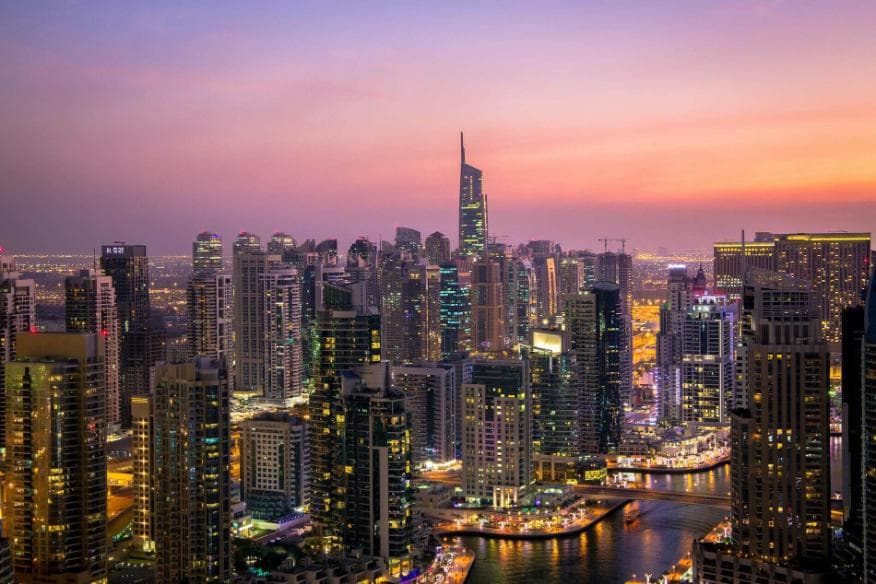
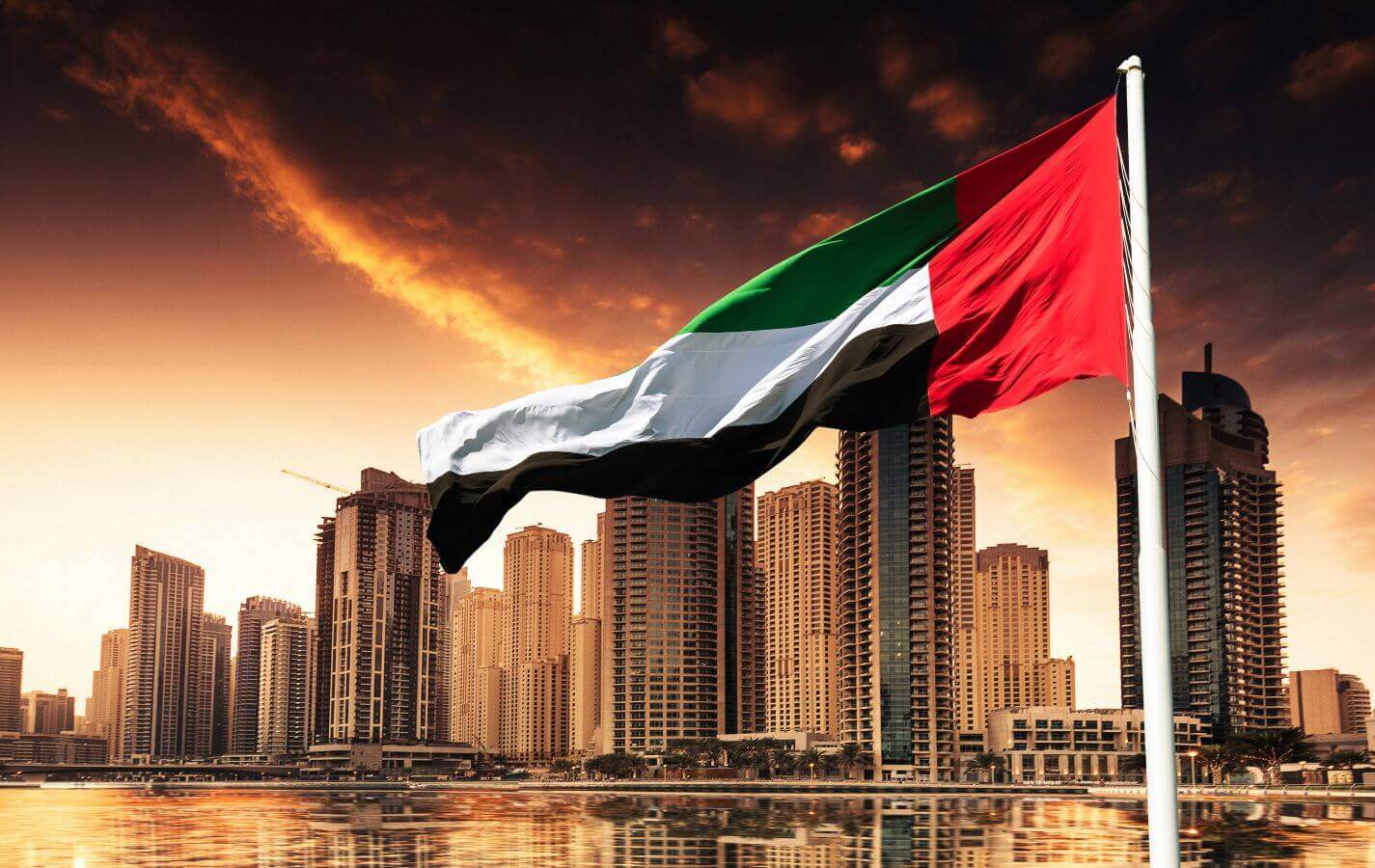
In the latest Numbeo 2025 Safety Index, the UAE has been ranked the second safest country in the world, just behind Andorra, affirming its global reputation as a leader in public safety and security. The findings reflect a broader pattern of regional performance, with GCC nations occupying several of the top positions. An article on the UAE’s safety ranking by Economy Middle East, details the methodology behind the data and how the Emirates’ strategic investments in law enforcement, infrastructure, and social stability continue to drive these outcomes.
Key takeaways from Economy Middle East’s coverage of the 2025 Numbeo Safety Index:
- UAE recorded the second-lowest crime rate in Numbeo’s 2025 Crime Index.
- Rankings are based on global survey data assessing perceived safety and crime.
- UAE’s safety is attributed to strong law enforcement, smart policing, and social stability.
- Dubai’s AI-driven policing and surveillance enhance real-time safety and crime prevention.
This ranking isn’t a surprise - the UAE’s consistent appearance near the top of global safety indices speaks to the country’s systemic approach to order, stability, and governance. In real estate and investment terms, it highlights one of the market’s less quantifiable but most compelling attributes - confidence.
Safety - both perceived and actual - is a cornerstone of long-term market resilience. It encourages migration, tourism, foreign investment, and family settlement, all of which feed into demand for residential, commercial, and hospitality assets. In Dubai especially, these rankings reinforce its narrative as a luxury and financial destination - as a secure, high-functioning city for life and business.
Importantly, the UAE’s position isn’t a standalone achievement. It’s part of a larger regional trend. GCC countries dominating the upper ranks - five in the global top 20 - adds depth to the regional investment case. For cross-border investors and developers, this clustering signals a broader ecosystem of stability.
In short, while yield curves, inventory cycles, and regulatory shifts often dominate the investor insights, factors like safety matter more than they appear on paper. They shape sentiment, frame long-term attractiveness, and quietly underpin sustainable demand.
Security, in this context, is an investment edge.
Original article reference: Economy Middle East
