


The wellness real estate market size reached USD 548 billion in 2024, and MENA was among the fastest-growing regions at 22.6% a year, according to GWI on 17 June 2025. Khaleej Times reports that wellness real estate is projected to exceed $1 trillion by 2029.
In 2024, the UAE ranked first in MENA for wellness real estate, with a market worth USD 1.4 billion and annual growth of 22.8%. The wider UAE wellness economy reached USD 40.8 billion, growing by 14.3% a year over 2019-2024 and leading the region for growth, according to GWI with Aldar, released 20 November 2025.
The fastest-growing national wellness real estate markets were the UK at 29% a year, the Netherlands at 27.9% and Italy at 22.9%, according to GWI on 17 June 2025. For a Dubai buyer, this shows growing momentum in markets that may inform international interest in wellness-oriented homes; compare local buyer demand and building evidence directly before treating overseas growth as a forecast for Dubai.
- Market estimates describe a defined sector, so compare their categories, base years and forecast periods before drawing conclusions.
- The UAE wellness economy is broader than its wellness real estate market.
- Fast growth in a national market signals momentum, while local demand still needs its own assessment.
- Wellness design can extend from indoor conditions to public spaces and community access.
- Global price-premium findings offer context for buyers, rather than a Dubai-specific pricing formula.
What counts as wellness real estate?
Wellness real estate covers buildings and communities designed around people’s health and wellbeing. The category can include homes, residential development, hotels, workplaces, commercial real estate and mixed-use development.
Its scope reaches beyond an individual building. A master-planned community may connect homes with shared spaces, walking routes, recreation and everyday services, making the wider built environment part of the wellness proposition.
Environmental sustainability and wellness can overlap, yet they answer different questions. Green building approaches focus on environmental performance, while wellness design also considers how people experience indoor air, lighting, acoustics, movement and connection with their surroundings.
A gym or spa can contribute to a resident’s experience, but an amenity list alone gives limited evidence of a comprehensive approach. We encourage buyers to examine how design choices work together across the home, shared facilities and community.
Our wellness real estate hub provides a starting point for understanding the category in Dubai. The useful question is how a development translates its stated principles into features residents can use and assess.
How to read the global market forecast
A market-size estimate describes the defined sector being measured. It does not represent the combined value of every property that might support wellness, total construction spending or an investor’s likely return.
Published estimates can differ because researchers may use different definitions, property types, data sources, base years and forecast periods. Compare those elements first, so a market figure and forecast describe a consistent scope.
GWI’s 17 June 2025 figures offer a clear example of the forecast arithmetic: USD 1,100 billion divided by USD 548 billion equals about 2.0 times over five years, from 2024 to 2029.
Regional comparisons need the same care. A growth rate shows how quickly a market is expanding, while a market-size figure shows its estimated scale; the two measures answer different questions.
Green space is the first thing Dubai’s wealthiest buyers look for. In 20 pages: what makes a home a wellness home, the WELL, Fitwel and LEED ratings that prove it, Dubai’s rated and longevity-led communities with starting prices, health design for a hot climate, the 55+ retirement visa and the 10-year Golden Visa, and the 11 questions to ask before you buy. Checked October 2026.
Download free→How growth varies across regions and countries
MENA’s position among the fastest-growing regions gives buyers a reason to examine local development patterns alongside global market expansion. The UAE’s regional ranking adds a national reference point, while the UK, Netherlands and Italy figures show that strong growth is also occurring in European markets.
These growth rates do not show which country has the largest market, nor do they establish how many buyers from those countries will purchase in Dubai. For a Dubai-focused decision, use them as context and assess the location, target resident and evidence behind each development separately.
Our Market Intelligence approach starts with comparisons that match the buyer’s purpose. A home selected for personal use may call for a different review from a residential development chosen for rental demand or a longer-term investment strategy.
The UAE wellness economy and wellness tourism
The UAE’s USD 40.8 billion wellness economy spans sectors beyond real estate. The real estate figure provides a distinct view of property-related activity within that wider economy.
Wellness tourism adds another part of the picture. In 2024, the UAE wellness tourism market was USD 11.3 billion and grew by 23.5% a year; trips increased from 2.06 million in 2019 to 4.31 million in 2024, according to GWI with Aldar, released 20 November 2025.
These figures describe tourism activity and travel growth alongside the UAE’s wider wellness economy. They can help a buyer understand the breadth of the sector, while a property decision still depends on the specific building, location and intended use.
What wellness design looks like in practice
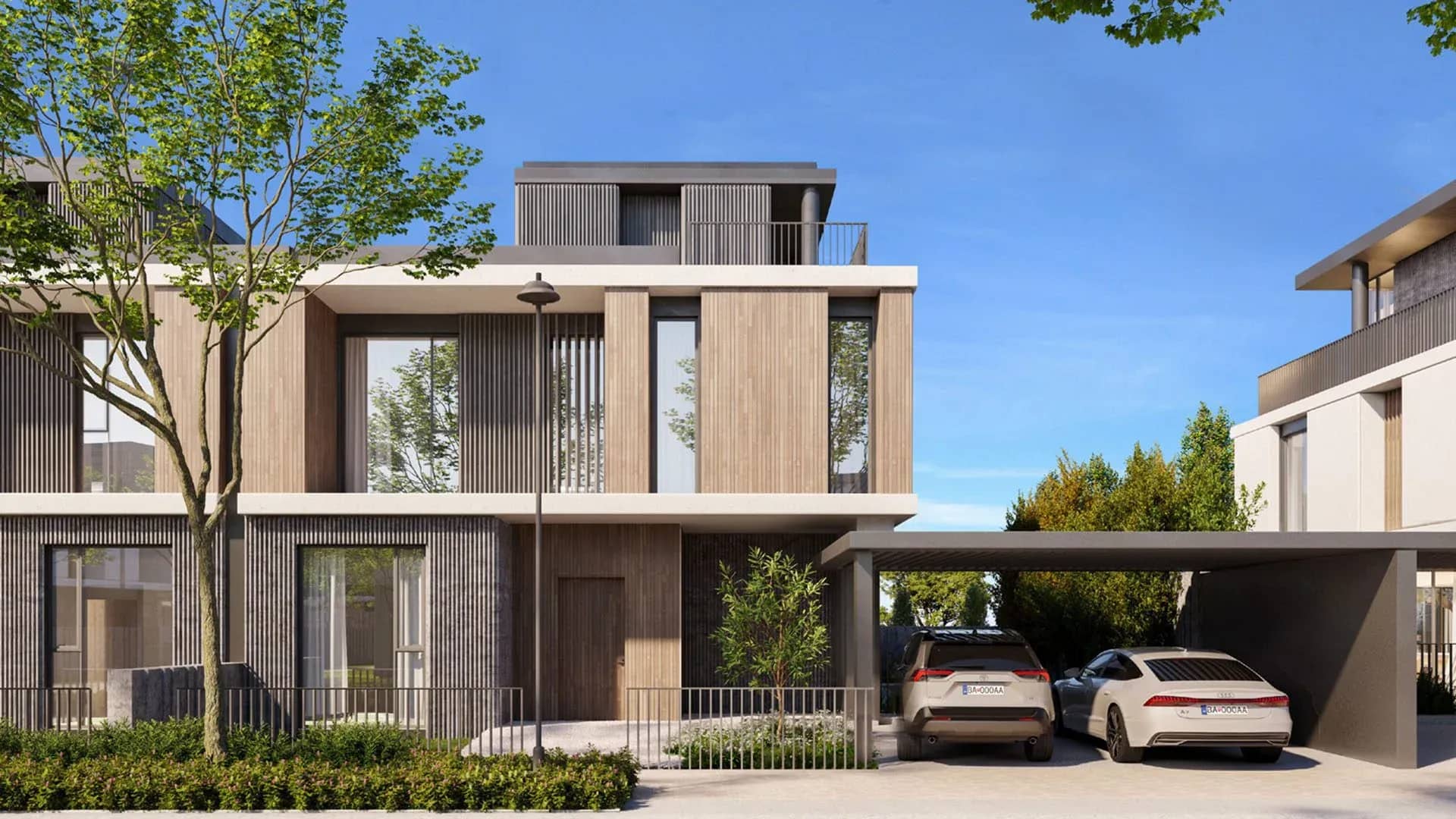
Look for features that shape everyday experience, then ask how they are documented and maintained. Indoor environmental quality, access to daylight, comfortable shared areas, routes for walking and opportunities to spend time outdoors can all form part of a building or community assessment.
Biophilic design, which brings natural materials, views or planting into the built environment, can be considered alongside practical questions about access and use. Buyers can ask whether shared spaces feel usable across the day and whether the design supports residents with different routines and needs.
Certifications can help organise a review, provided the buyer checks what was assessed and which parts of the property the assessment covers. The Dubai property resources offer further reading for buyers comparing development claims and investment considerations.
How Dubai buyers can assess an opportunity
Start with the resident or tenant the property is meant to serve. Then assess whether the location, home layout, shared spaces and wellness features fit that use, and whether the developer can explain how those features will be delivered.
- Review the development: Compare the plans, specifications and community features with the wellness claims. Our developer reviews can support that initial due diligence.
- Compare locations: Look at the setting and access to community facilities alongside the home itself. See our Dubai and Abu Dhabi location guide and Dubai area investment analysis.
- Assess the investment purpose: Rental assumptions, costs and ownership considerations belong in the same decision as design. Read our guides to Dubai rentals and yields, Dubai property tax and Dubai property investment.
- Understand the purchase route: Buyers comparing off-plan homes can use our off-plan buying guide and review off-plan property options in Dubai.
Off-plan purchases can give buyers a chance to assess wellness principles early in a development’s planning and delivery process.
Residency can form part of a wider property decision. M&M’s Dubai Golden Visa through property guide explains the relevant route, while the free wellness real estate guide covers questions buyers can ask about wellness homes.
Global growth, MENA momentum and the UAE’s position make wellness real estate an important category for Dubai buyers to understand. Market forecasts describe sector scale, while the quality of an individual opportunity rests on its design, location, evidence and fit with the buyer’s goals.
Start with the free wellness real estate guide for a practical review framework, then contact an M&M advisor for a conversation about your priorities.
Can an existing Dubai home be adapted to support wellness?
Some design improvements can be considered in an existing home, including changes to lighting, indoor air systems or access to outdoor space. The practical starting point is to assess the building’s current systems and identify which upgrades suit its structure and management arrangements.
Does a wellness property need a certification?
A certification can provide a framework for examining building features and claims, while buyers can also review the underlying design and operating information. Ask what the assessment covers and how it relates to the home or community you are considering.
How can buyers judge whether a wellness feature is useful?
Connect each feature to how residents can access and use it in daily life. Plans, specifications and operating information help a buyer evaluate the feature beyond its name in a brochure.
Is wellness real estate limited to high-end homes?
Wellness principles can be applied across residential, hospitality and commercial property types. The relevant questions are which features a development prioritises, how residents or users access them, and whether those choices suit the property’s intended audience.
How should a buyer compare wellness claims between two developments?
Use the same checklist for each property, including design details, community access, supporting documentation and the scope of any certification. Consistent questions make the comparison more useful than comparing amenity lists alone.
Do wellness tourism figures predict returns from a Dubai home?
Tourism figures describe travel activity across the UAE, while returns depend on the individual property and its investment conditions. Use tourism growth as sector context and assess the property’s own rental case separately.


