


Knight Frank’s 2024 findings rank access to green space or parks first when choosing a property, clinic or hospital proximity second, and beach access third. Consultancy-me.com reports that 88% of HNWIs named the absence of green space or parks as a potential deal breaker when weighing up property options in Dubai. The preference reflects a wider wellbeing shift: Knight Frank’s Wealth Report 2020 found that 80% of UHNWIs were spending more on wellbeing, while MERED reported in July 2025 that 45% of premium buyers demand lifestyle-driven amenities and more than 85% ask about amenities early in their search, prompting Dubai communities to give parks, health and recreation a larger role.
- Start with everyday wellbeing. Compare access to useful green space, clinics, beaches and daily services. Our Dubai wellness real estate hub brings together the market examples.
- Match the property to its purpose. A primary residence, second home and income-producing investment each call for a different balance of privacy, convenience, upkeep and tenant appeal.
- Compare locations by how they work for you. Consider transport, nearby services, noise, privacy and the quality of the outdoor space.
- Test the investment case. Assess realistic rental demand, ownership costs, resale appeal and the property’s place in your wider portfolio.
- Review the details before committing. Check the developer, contract, construction progress, service charges, management arrangements and ownership route.
- Make residency part of the decision carefully. Property-linked visa routes have specific eligibility conditions, so build them into your planning from the outset.
Green space, clinics and access shape the location decision
The Knight Frank finding comes from a survey of 317 high-net-worth individuals.
For a buyer, the useful question is what kind of green space supports daily life. Walk the routes between the home and a park, look at shade and planting, and distinguish a pleasant view from outdoor space that is genuinely easy to reach and use.
Dubai’s 2040 Urban Master Plan sets out a long-term vision for the city and its public realm.
The plan provides a broader frame for comparing access, recreation and nature across the city.
Those plans give buyers a useful frame for comparing a central address, a waterfront home and a park-led community. For a closer look at neighbourhood options, compare Dubai locations against your own daily routes and priorities.
Wellness amenities should work in daily life
Wellness-centric living is a practical set of choices: usable outdoor space, access to health services, room to exercise and a home that supports comfortable everyday routines. Buyers should look beyond an amenity list and consider how often they will use each feature, how easy it is to reach, and who manages it.
Dubai’s 2040 Urban Master Plan projects population growth from 3.3 million in 2020 to 5.8 million in 2040. For a buyer, that growth projection makes the surrounding public realm, transport and community services important parts of a long-term location assessment, alongside the home itself.
Communities can make connection to nature central to their design.
Wellness real estate also has an international context. The Global Wellness Institute reported on 17 June 2025 that the fastest-growing national wellness real estate markets were the UK at 29% a year, the Netherlands at 27.9% and Italy at 22.9%.
Choose a home for its purpose, not its profile
HNWI property preferences in Dubai vary by the role the home needs to play. A property that works well as a main residence may call for a different layout, location and ownership plan from one intended for occasional use or rental income.
| Purchase purpose | What to assess | Useful buyer question |
|---|---|---|
| Primary residence | Privacy, room layout, daily services, green space and convenient access to regular destinations | Will the home support the routines and space needs of the people living there? |
| Second home | Ease of arrival, security, maintenance arrangements and how the home works when unoccupied | Who will manage the property between visits, and what will that service include? |
| Income-producing investment | Tenant demand, functional layouts, management, ongoing costs and resale appeal | Who is the likely tenant, and what alternatives could that tenant choose nearby? |
Famous addresses and branded residences can attract attention, but the fit depends on the buyer’s needs and the property’s actual qualities. Compare the home’s plan, access, privacy, management offer and total ownership obligations with the audience you expect to serve.
For buyers considering an income-producing property, a rental yield is only one part of the decision. Compare likely tenant profiles, competing homes, layout, furnishing needs, management costs and the time required to keep the property ready for occupation. M&M’s guide to Dubai rentals and yields offers further context.
Property type, supply and long-term appeal
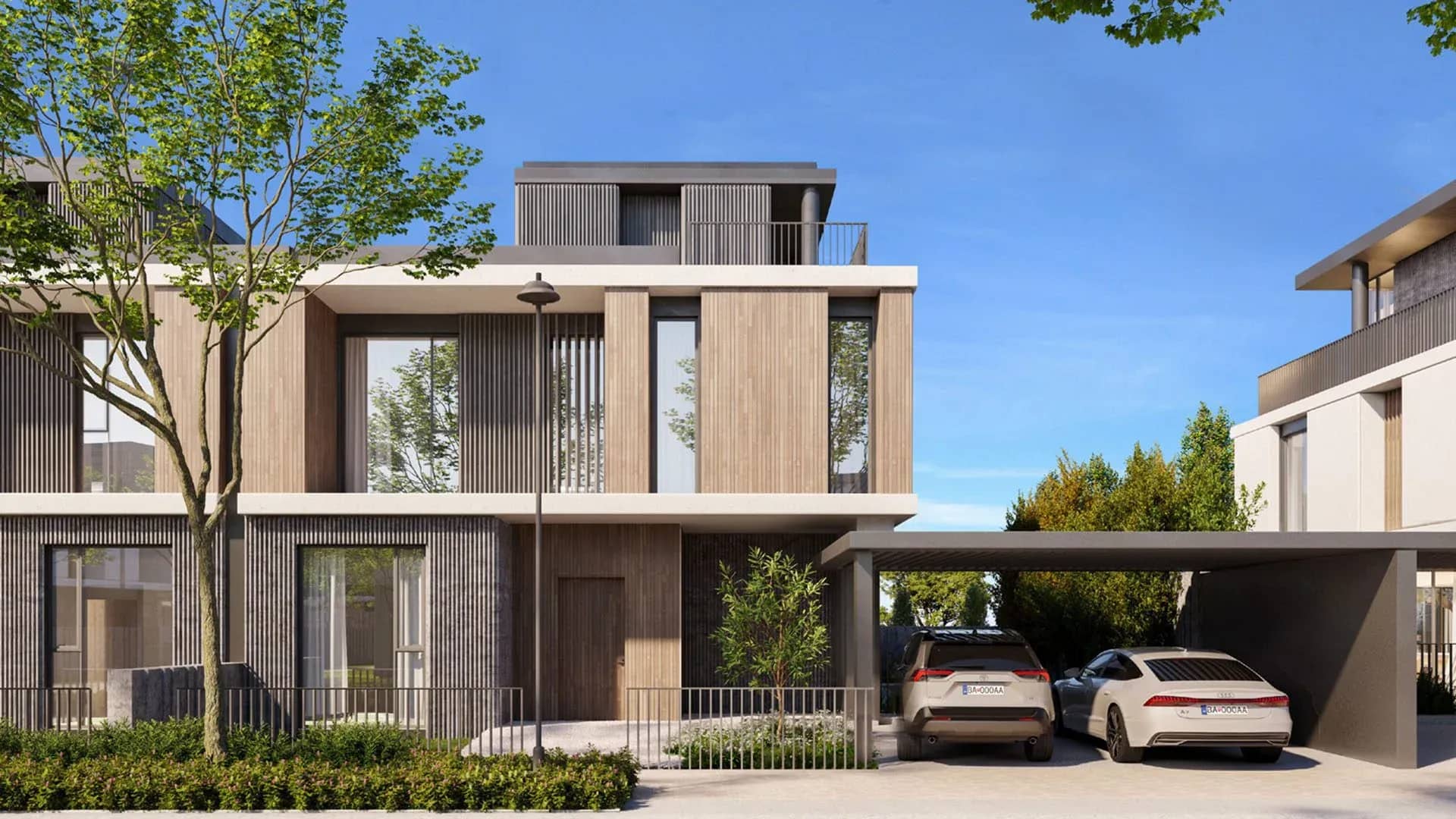
Apartments, villas and waterfront homes each serve different buyer priorities. Apartments can suit buyers who value shared facilities and a managed building; villas can offer more private outdoor space; waterfront property can place daily life close to the coast. Compare the particular home and its setting, because broad property labels alone tell you little about how well it will suit your plans.
Savills reported that 97% of Dubai launches in Q3 2025 were apartments, making low-density villa stock scarcer and giving buyers who value space and privacy a reason to compare villa communities early. That supply mix also makes it useful to assess how a property’s type and layout might appeal to future buyers.
Capital appreciation is an investment objective, not a certainty. Consider the property’s location, quality, surrounding supply and likely resale audience, then test whether the asset would remain relevant if your intended holding period changed.
Low liquidity can make an exit harder to time, so buyers can improve their planning by identifying potential future purchasers before committing. A widely usable layout and a location with day-to-day appeal can serve more than one buyer profile.
Twelve chapters on what the regional war tested, the balance sheet and dollar peg behind the market, and how to pick the right side of this cycle.
Download free→Off-plan property calls for structured due diligence
Off-plan property can suit a buyer whose timeline and payment plan match the project’s delivery schedule. Before committing, assess the developer’s delivery record, construction progress, contract terms, payment milestones, proposed handover timing and the process for managing the property after completion.
Review the sale and purchase agreement carefully, including the unit specification, approved plans, payment obligations and provisions affecting transfer or resale. A delay can disrupt a planned move or investment timetable, so align the contract schedule with your personal plans and available financial flexibility.
Developer checks should include the project team, construction updates and the arrangements for building management after handover. A disciplined review can start with developer information and Dubai property investment guide from M&M.
Broader buyer guidance is collected in the property resources from M&M. Keep a written record of the questions you need answered and compare the responses across the developments you are considering.
Ownership costs, operations and exit planning
Service charges and maintenance affect the cost of holding a home and the net income it may produce. Ask for the service-charge budget, understand which shared services it covers, and build a separate plan for repairs, replacement items and property management.
Visit the building and its surroundings at different times of day. Listen for road and communal-area noise, check how visitors arrive, assess privacy from neighbouring homes, and test the route to transport, parks and clinics. This gives you a clearer sense of the lived experience than a viewing focused only on the interior.
For a rental investment, use comparable homes with similar locations, layouts and tenant appeal to frame your expectations. Headline rental figures can hide differences in occupancy, furnishing, management and annual costs, so compare the full operating picture. Tax considerations are covered in the overview of Dubai property tax considerations from M&M.
Asset diversification also calls for a portfolio-level view. Consider how a Dubai home would change your existing exposure to property, locations and income sources, and decide how much capital you want tied to a single asset and holding period.
Ownership rules and contract terms belong in the same review. Check the title route, confirm whether freehold ownership applies to the specific property, review the purchase documents and understand ongoing charges before signing.
Residency goals and property ownership
Residency can influence property choice, but eligibility rules should sit alongside location, use and investment fit. A property-linked Golden Visa is a 10-year renewable route from AED 2 million; off-plan property at AED 2 million or more can qualify subject to the ICP’s current conditions.
Worked example: A home valued at AED 2,000,000 reaches the stated AED 2 million property-value threshold: AED 2,000,000 property value ÷ AED 2,000,000 threshold = 1. This is a threshold check, with eligibility still subject to the applicable conditions; M&M’s Dubai Golden Visa property guide explains the route.
The retirement visa is for people aged 55 or over and lasts 5 years, renewable subject to GDRFA conditions. It requires a completed home worth at least AED 1 million, paid in full and held with its title deed; off-plan property does not qualify for this route.
What HNWIs value in Dubai property begins with green space, health access and a location that works in daily life. The strongest decision also aligns the property type with its purpose, tests ownership and operating costs, and considers who may want the home at resale.
Start with the free wellness real estate guide for a structured view of the topic. Then speak with an M&M advisor about your priorities and next steps.
Can an off-plan property in Dubai qualify for a Golden Visa?
Eligibility depends on the ICP’s current conditions, so confirm that the specific purchase qualifies before proceeding. Buyers should make the visa route part of their purchase planning and review the required documents alongside the property contract.
How can I test whether a home will feel private?
Check sightlines from neighbouring buildings, the position of balconies and windows, visitor access and the route used by service staff. A viewing at different times can also reveal how activity around the building changes through the day.
Does a green view mean a home has good access to nature?
A view can add to a home’s appeal, while practical access depends on whether residents can reach and use the green space. Walk the route, observe shade and landscaping, and see how the space connects with the surrounding neighbourhood.
What should an overseas buyer organise before visiting properties?
Prepare a short written brief covering intended use, preferred setting, privacy needs, ownership plans and the time available for the purchase. That helps make viewings comparable and keeps location choices tied to your priorities.
How can one property contribute to asset diversification?
Assess the home alongside your full portfolio, including your existing property exposure, income sources and preferred holding period. A single property can add a new location or use case, while still concentrating capital in one asset.
What can make a luxury home harder to resell?
A highly specialised layout or features designed around one owner’s routines can narrow the pool of future buyers. Consider whether the home can serve different household types and whether its location has appeal beyond its original purchaser.


