


Dubai property comparison
Dubai South suits buyers focused on airport-linked infrastructure and off-plan choices. Dubailand offers a broad mix of communities, so the right comparison depends on the exact project within it. For investors, the strongest decision comes from comparing like-for-like homes, rental evidence and delivery details at community level.
There is no reliable area-wide price or rental-return winner without matching property type, condition, building and completion status. M&M Real Estate offers Dubai property listings and information across homes, commercial spaces and off-plan projects to help you assess the options.
Dubai South or Dubailand: the quick comparison
Dubai South is a planned district around Al Maktoum International Airport, also known as DWC. Dubailand is a much broader inland area made up of multiple communities. Dubai Land Residence Complex is one specific community within Dubailand, so it should be assessed separately from the wider area.
| Decision point | Dubai South | Dubailand |
|---|---|---|
| Area character | A planned district with residential, aviation, logistics and commercial zones. Compare the exact district and project, since nearby uses can differ. | A wide area containing distinct residential communities, including Dubai Land Residence Complex. Name the community before comparing prices or demand. |
| Best initial fit | Buyers who want to assess an airport-linked location and are comfortable examining off-plan delivery details closely. | Buyers who want to compare a wider range of community settings, home types and levels of development within one broad area. |
| Purchase price | Compare the actual unit, payment schedule and total buying costs against a similar property in its own submarket. | Compare within the named community. A Dubailand-wide average can conceal large differences between projects. |
| Rental and resale | Test tenant demand and resale activity for the specific project, unit type and handover stage. | Use community-level rental and transaction evidence. The area label alone does not establish a stronger yield or easier resale. |
| Daily travel | Check the property’s road connections, public transport options and route to work or regular destinations. | Check the same details for the exact community and building. Travel options vary across this broad area. |
For a focused first shortlist, compare named projects in Dubai South with named communities in Dubailand, including Dubai Land Residence Complex only when that is the location under consideration.
Purchase price, home type and rental yield
The more affordable choice is the comparable property with the lower total acquisition cost. A useful property comparison matches the home type, usable area, condition, building quality and completion status, then checks both total purchase price and price per square foot. Include purchase costs and the payment schedule in the comparison, especially when one option is off-plan.
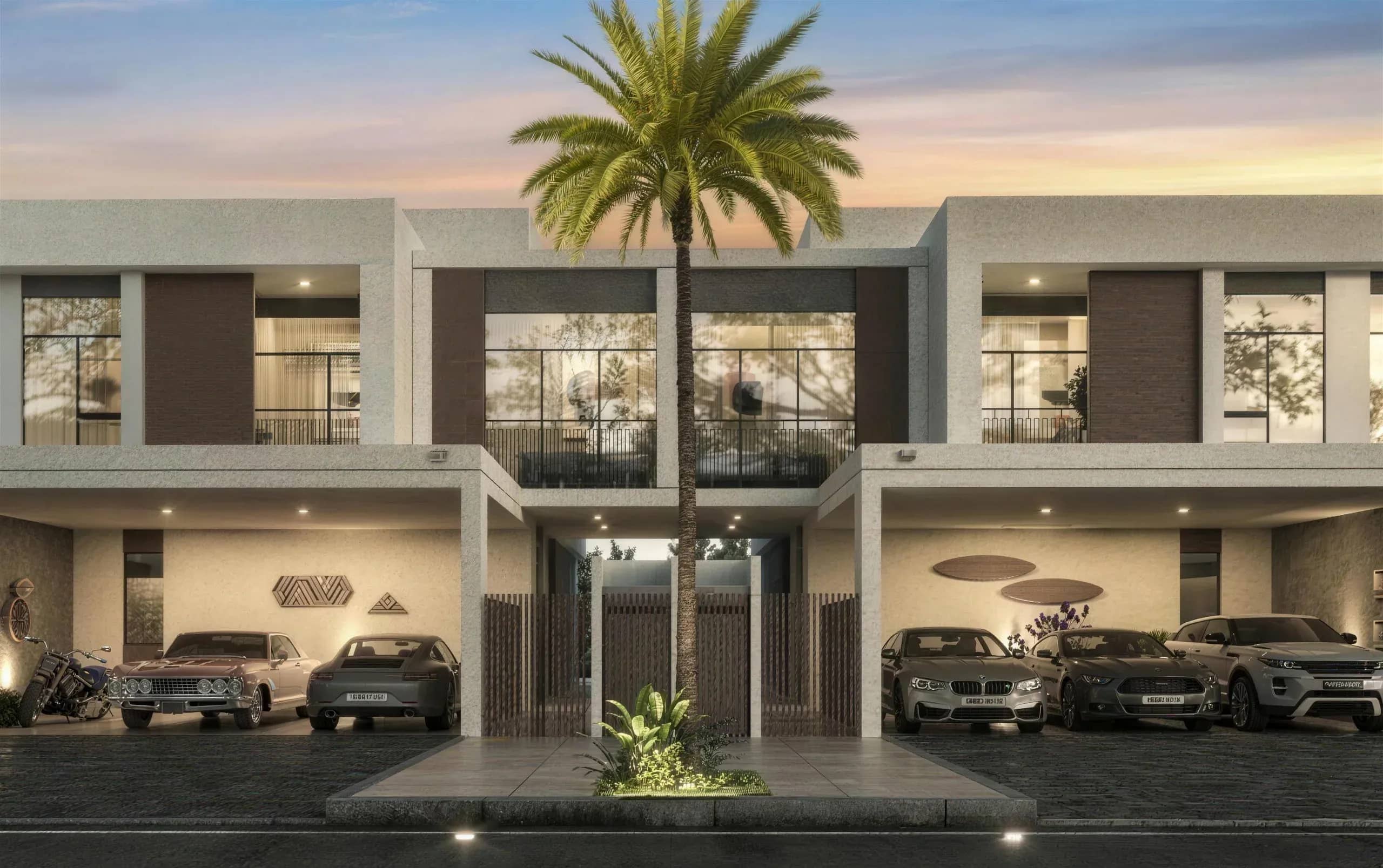
Housing options can range from apartments to townhouses and villas in both broad areas. The available selection depends on the specific community and project, so compare actual listings instead of assuming that Dubai South or Dubailand offers one uniform product mix.
Compare net rental yield, not just the headline figure
Gross rental yield compares annual rent with the property price. Net rental yield gives a more useful ownership picture: deduct expected vacancy, service charges, maintenance and management costs from rent, then compare the result with the full acquisition cost. A building with an attractive advertised rent can produce a different net result after those costs.
Tenant demand also follows the property’s practical appeal. For each shortlisted home, consider likely tenants, nearby employment and daily destinations, the unit’s layout, and the amenities serving that specific community. Use current rental evidence for comparable units and keep the method consistent across both areas.
Investor takeaway: Dubai South and Dubailand do not have a defensible yield ranking without project-level rental and cost data. Compare net rental yield and transaction evidence for the exact buildings you are considering.
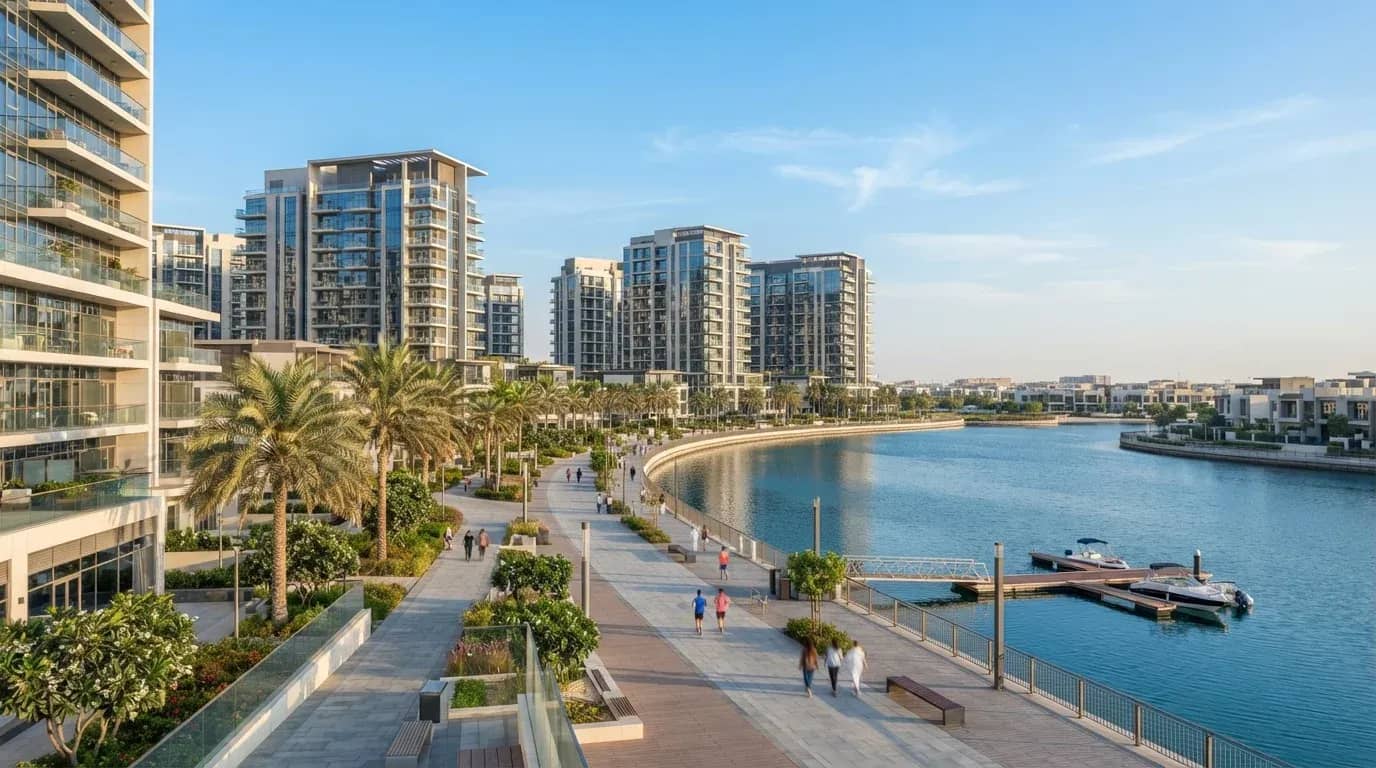
Location, lifestyle and everyday access
Dubai South’s connection with DWC is central to its location case. Assess how that setting fits the buyer’s work, travel and tenant profile, then test the real route from the specific property. Airport proximity alone does not answer questions about daily convenience.
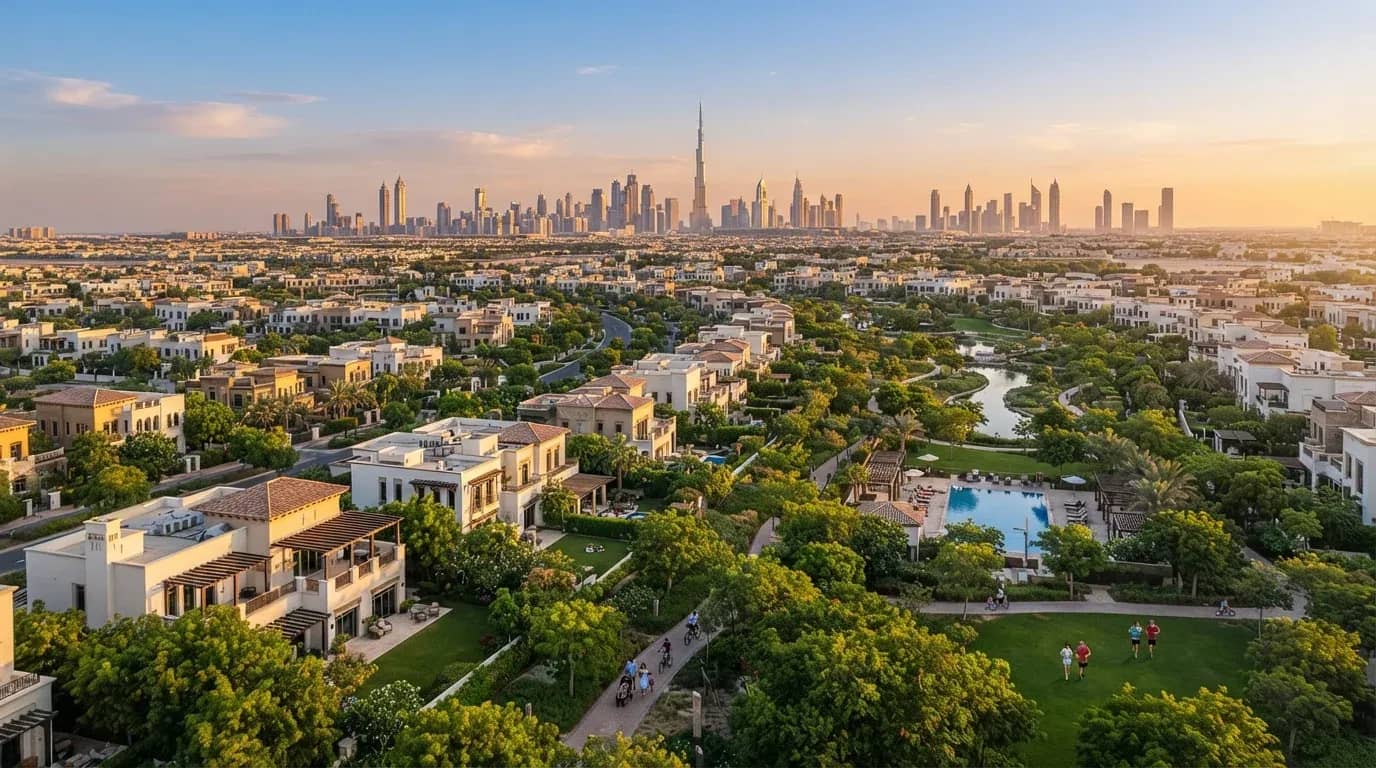
Dubailand covers a wide inland footprint, so lifestyle depends on the community. A family comparing homes can map the route to schools, shops, healthcare and recreation from each address. A resident who relies on public transport should examine the actual walk, connection and commute from the building rather than treating the district name as a transport guarantee.
Established facilities and delivered infrastructure offer a different level of certainty from planned amenities. Treat a future facility as a plan until it is delivered, and base the daily-life comparison on services available near the property now. M&M’s Dubai locations section can help you explore area options.
Twelve chapters on what the regional war tested, the balance sheet and dollar peg behind the market, and how to pick the right side of this cycle.
Download free→Off-plan projects, handover and resale liquidity
Both areas can be considered for off-plan property. Project selection, pricing and handover timing vary by development, so compare the developer’s published payment schedule, construction status, expected completion and property specifications for each opportunity. The payment balance due at handover affects cash planning, so a buyer using mortgage finance arranges it ahead of that stage.
Infrastructure development can support a location’s appeal, while delivery timing affects when a home becomes usable or rentable. Keep existing roads and amenities separate from proposed improvements. A purchase case built mainly on future development depends on delivery, so assess the property against current access and current tenant appeal as well.
Resale liquidity means how readily a property can find a buyer at a suitable price. Compare recent transactions for similar completed units, competing supply and the project’s buyer profile. A broad-area reputation cannot establish how quickly a particular unit will sell.
Browse M&M’s off-plan projects in Dubai and use the Dubai off-plan guide to structure your project review.
A practical method for choosing between them
- Define the location precisely. Record the community, project and building. Treat Dubai Land Residence Complex as one Dubailand community, not as a synonym for all of Dubailand.
- Match comparable homes. Compare the same property type, similar size and condition, and the same ready or off-plan status. Review total purchase price and price per square foot together.
- Build a net rental estimate. Use comparable rent evidence, then account for vacancy, service charges, maintenance, management and purchase costs.
- Check the exit case. Review completed-sale activity and competing units for the same project or community, alongside the likely buyer or tenant profile.
- Test the everyday route. Map road and public transport access to the destinations that matter to the intended resident or tenant.
- Separate delivered features from planned ones. Evaluate current amenities and infrastructure on their own merits, then treat future works as a separate part of the purchase case.
M&M Real Estate brings together property listings and information on homes, commercial spaces and off-plan projects, alongside Dubai market reports and investment cases. Use these resources to build a shortlist, then compare the units on the same assumptions.
Discuss your shortlist with an M&M advisor
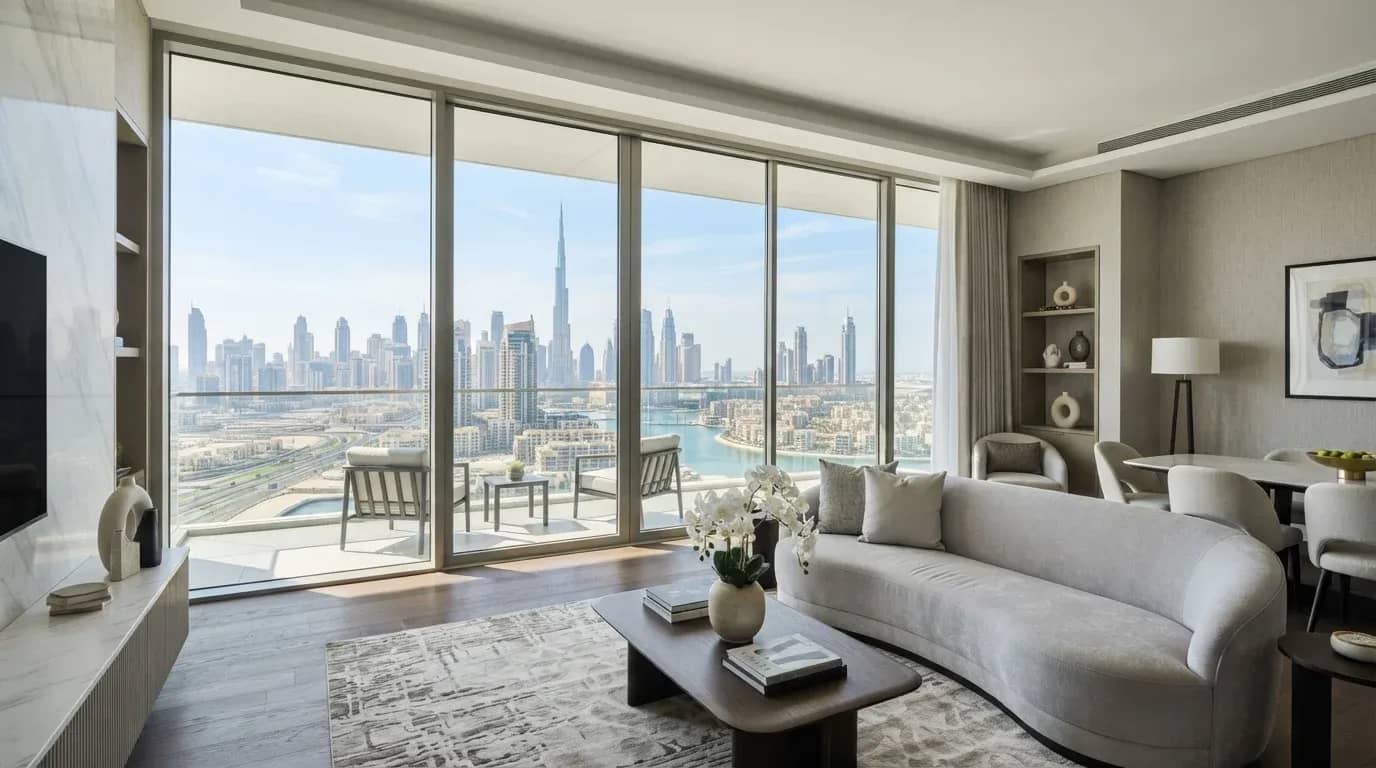
Compare Dubai South and Dubailand properties with a clear brief
Share the property type, budget, preferred handover stage and intended use with an M&M advisor. M&M Real Estate can help you explore its Dubai listings and off-plan information against the priorities that matter to your purchase.
Figures are past data; this article is general information and not tax, legal or financial advice, and returns are not guaranteed.
Is Dubai South a good area?
Dubai South can suit buyers looking for an airport-linked location and considering off-plan property. Its fit depends on the exact project, current access, nearby services and the buyer’s intended holding or use.
What areas come under Dubai South, and are DWC and Dubai South the same?
Dubai South is a wider planned district with residential, aviation, logistics and commercial zones. DWC is Al Maktoum International Airport within the Dubai South setting, so the airport and the district are related but are not the same place.
Which area is Dubailand in, and is it the same as Dubai Land Residence Complex?
Dubailand is a broad inland area in Dubai with multiple communities. Dubai Land Residence Complex is one specific community within the wider area, so property comparisons should identify the community or project.
Which area is more affordable for buying a home?
Set your maximum total acquisition cost first, then shortlist only properties that fit within it.
Which area offers stronger rental returns or a better long-term investment?
Neither area has a clear winner without comparable rent, ownership costs and sales evidence for the specific property. Calculate net rental yield and assess resale demand at project or community level before choosing.
Which area has more off-plan options, and what should buyers check about handover?
Off-plan choices depend on the active projects and unit types available in each location. Compare the payment schedule, construction status, specifications and handover timing, including any balance due at handover.
Which area is likely to be easier to resell?
Resale liquidity is specific to the project, unit and asking price. Compare completed transactions and competing supply for similar homes in each shortlisted community.
Which area suits families or residents who rely on public transport?
Both choices need an address-level check. Families can compare access to schools and daily amenities, while public-transport users can map the actual route and connections from each building.


