Off-plan reservation forms and what an Expression of Interest (EOI) actually commits you to depend on the signed wording, the payment terms and the steps already taken. An EOI can record interest and create specific obligations, while the SPA and registration remain separate stages of the purchase.
- An EOI’s title does not decide its legal effect. Read the clauses that cover payment, deadlines and withdrawal.
- A reservation or booking form may identify a unit and set out cancellation terms. Check what the signed document says will happen if you decline or miss a deadline.
- An allocation notice gives you a decision to make. It does not, on its own, confirm the SPA or registration.
- Ask in writing whether your EOI payment is held, credited towards a later amount or returned, and who controls it.
- Keep the signed forms, receipts, payment instructions and messages together so the agreed terms and payment trail are clear.
- Resolve inconsistent wording before you sign or transfer money. Seek independent legal advice if the possible commitment is material.
EOI, reservation form, booking form and SPA: what each means
An off-plan property is bought before construction is complete. An EOI commonly records a buyer’s interest and may ask for a payment while the developer allocates units, so the signed terms determine what the buyer has agreed to do.
A reservation form or booking form may name a unit and set out a deposit, deadlines and cancellation terms. Read the clauses that create obligations, since the document’s title alone does not tell you whether a payment is refundable or what happens if you withdraw.
| Document | What it may record | What to read closely |
|---|---|---|
| EOI | Interest in a project or participation in an allocation process, sometimes with a payment. | Payment purpose, validity, allocation conditions and withdrawal terms. |
| Reservation or booking form | A proposed or selected unit, deposit and response deadlines. | Cancellation, deductions, payment credit and the effect of missing a deadline. |
| Sale and Purchase Agreement (SPA) | The detailed sale terms between the buyer and developer. | Payment plan, unit details, obligations, cancellation clauses and registration steps. |
Signing an EOI is an early step in the transaction. It does not itself complete the SPA signing or the relevant registration process, so keep track of each later document and action.
Give the signed form and written payment terms more weight than a verbal explanation or marketing material if their wording differs. Ask for any promise about refunds, deductions or payment credit to be put in writing.
How the process moves from EOI to registration
A common sequence is EOI submission and payment, unit allocation or an offer, reservation or booking paperwork, KYC documents, SPA signing and the relevant registration process. The order and documents can vary by project, so follow the steps and deadlines stated in the developer’s written instructions.
- Submit the EOI and make any payment under its written terms.
- Review the allocation or unit offer, including the response deadline.
- Complete reservation or booking paperwork and provide requested KYC documents, which establish the buyer’s identity.
- Review and sign the SPA, then follow the stated registration process.
An allocation invitation is a point to decide whether to proceed. It does not show that the SPA has been signed or that registration is complete, so note the offer’s expiry and the stated result of missing it.
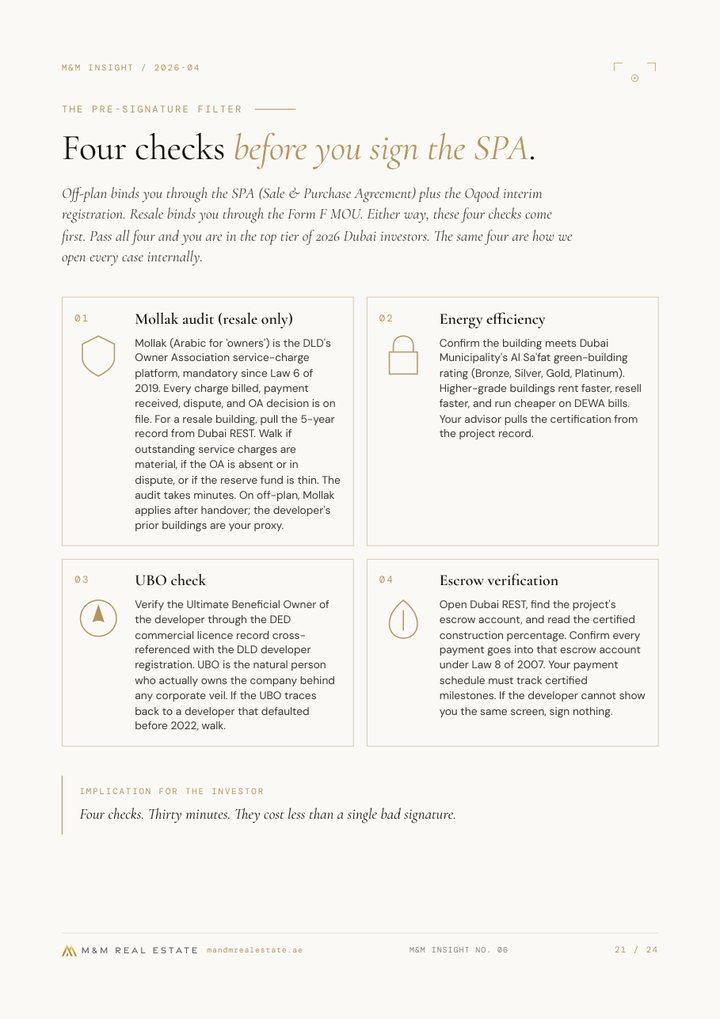
For a Dubai off-plan purchase, Oqood is the DLD’s off-plan registration associated with the Interim Real Estate Register. Ask which registration step applies to the transaction and when the developer expects it to take place.
The Dubai off-plan property buying guide covers payment mechanics, escrow protections, the legal framework, developer checks and risk assessment. It helps place an EOI in the wider purchase process, so review those steps alongside the form and payment instructions.
Keep a dated copy of every form, receipt, allocation message and signed agreement. A complete record makes it easier to see when each commitment and payment arose.
What can make an EOI legally significant
An EOI’s effect depends on its wording and the circumstances around signing and payment. Look for clauses that set a payment deadline, a fixed validity period, acceptance of stated terms or a consequence for withdrawing.
Read the signed form alongside any terms it incorporates, the payment receipt and written assurances. If documents use different wording, ask for the intended terms to be clarified in writing before you act.
Separate a commitment to take part in an allocation process from a commitment to buy a particular unit. A form may set rules for the allocation process without setting out an agreement to purchase a specified property, so check what each clause actually requires.
If the wording is unclear or inconsistent, pause before signing or paying and request a written explanation. Seek independent legal advice when the amount or possible obligation is material.
This is general information, not tax or legal advice.
Read refund, cancellation and forfeiture clauses line by line
Find every event that could lead to a refund, retention or deduction. Check what the form says about buyer withdrawal, declining an allocated unit, missing a response deadline and changes to the project.
Then note the refund-request method, the deadline for making a request, any stated processing period and each possible deduction. An EOI payment’s label does not establish that it will be refunded.
Check whether the payment is credited towards a reservation or booking amount, returned, or handled separately. The form should say whether the change happens automatically or requires another action, such as accepting a unit or signing a booking form.
Compare the cancellation terms in the EOI, reservation form and later booking paperwork. If the documents conflict, ask the relevant party to resolve the difference in writing before proceeding.
Illustration: If an EOI payment is credited in full towards the written booking amount, subtract that credit from the booking amount to calculate the balance still due. The signed terms must establish whether the credit applies.
Allocation priority is not a guaranteed unit or price
Read “priority” as a position in the allocation process unless the form grants a specific right. Priority alone does not set a particular unit, price or payment plan.
Check how the developer allocates units, when an offer becomes binding, how long you have to accept and what happens if you decline or do not respond. These terms show what decision the EOI actually leaves you with.
Compare the offered unit and commercial terms with the written EOI conditions before accepting. An early expression of interest does not establish that later terms will match what you expected.
Keep the allocation notice and your response, including written confirmation of the selected unit and agreed terms. Those records help show what was offered and what you accepted.
Verify the payment route and preserve the evidence
Match the payee and account details to the written payment instructions. Establish who receives the money, what role they have and whether they are authorised to collect it for the named project before transferring funds.
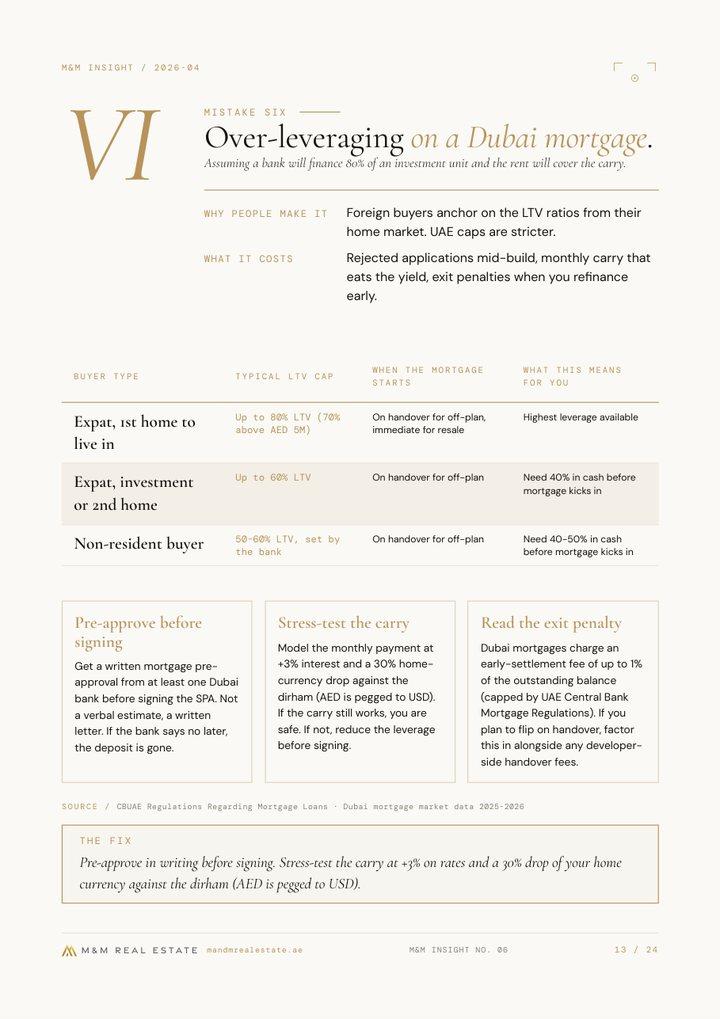
Ask in writing whether the payment is held, credited or returned, who controls it and whether it goes into a project escrow account.
Keep the signed form, transfer confirmation, official receipt, payment instructions, emails and messages together. These records can help establish the amount paid, the recipient, the stated purpose and the conditions attached to the payment.
If a refund is delayed or disputed, send a dated written request that identifies the relevant clause, amount and supporting records. Keep proof that the request was delivered, then use the documented project and legal channels if the issue remains unresolved.
A practical decision check before you sign
Before submitting an EOI or accepting an allocation, check that the form names the parties and project, states the payment amount and purpose, and explains refunds, deductions, allocation and deadlines in writing.
- Identify what accepting an allocation requires you to do next.
- Check whether missing a deadline triggers a booking, another payment obligation or loss of funds.
- Compare the form with the receipt, payment instructions and written assurances.
- Resolve differences before transferring money, then keep the final agreed versions.
Use a structured review of the full purchase process, including payment mechanics, escrow protections and the legal framework. M&M Real Estate’s developer profiles and assessment criteria can also support your project checks before you decide whether to continue.
Further reading for the wider investment decision
An EOI is one part of a property decision. These M&M guides and resources cover the wider questions investors may consider around locations, developers, project structures and ownership:
- Dubai property and the Golden Visa
- Dubai areas by investment goal
- Dubai rental yields, costs and tax
- Tax on Dubai property
- Dubai property investment guide
- Off-plan properties in Dubai
- Dubai and Abu Dhabi location guides
- Dubai investment guides and resources
- Bay Estate by Nakheel Investment Case
- The Yards Plaza Investment Case
- Emaar and DAMAC developer comparison
- Al Jaddaf Waterfront location guide
- Beyond’s 30/70 payment plan
- JVC location guide
- Dubai Hills Estate location guide
- Dubai population growth
- Dubai property crowdfunding
- The Yards Plaza investment case
What to do now
Before you sign, mark the clauses covering payment, expiry, allocation, refunds and withdrawal. Ask the developer to resolve unclear terms in writing, then compare the final form with the payment instructions and receipt details.
An M&M advisor will go through your budget, timeline and shortlist with you. Contact an M&M advisor about the EOI and the next steps in the purchase.
this article is general information and not tax, legal or financial advice, and returns are not guaranteed.


Is it worth buying off-plan property in Dubai?
It can suit an investor whose purchase horizon and available capital match the construction and payment schedule. Compare the project, developer, payment obligations and intended holding period before committing.
What happens if the project launch or unit allocation is delayed after I submit an EOI?
The result depends on the EOI’s validity and delay terms. Ask for a revised written schedule and confirmation of whether your existing EOI conditions remain in force.
Can a company submit an EOI for an off-plan property, and who should sign it?
A company can submit an EOI where the developer accepts a corporate buyer and its required documents. The person signing should have authority to bind the company, with the company’s legal name and signatory details matching its KYC paperwork.
Can someone other than the named buyer transfer the EOI payment?
A third-party transfer can create a mismatch between the named buyer and the payer in the transaction records. Get written acceptance of the payer and payment arrangement before funds are sent, and retain evidence identifying both parties.
Ten off-plan mistakes
The ten mistakes overseas buyers make most, and how to check each one before you sign. 24 pages. Free by email.